

Whether you’re baking holiday pies, buttery biscuits, or flaky tarts, the tool that can transform your dough from meh to magnificent is often a humble one — the pastry blender. This simple kitchen gadget might look unassuming, but it plays a starring role in achieving tender, flaky pastries by efficiently “cutting in” cold fats like butter or shortening into flour without prematurely warming them in your hands. (The Spruce Eats)
In this comprehensive guide for findforkitchen.com, we’ll walk you through everything you need to know about choosing the best pastry blenders — from the key features that make some stand out to our top-rated picks for every budget and baking style. Whether you’re a weekend baker or whipping up sweets for a crowd, you’ll learn how to select the right tool for your kitchen, discover expert tips, and get answers to common pastry-making questions. Let’s get blending!
Table of Contents
🧈 What Is a Pastry Blender?
Before we dive into the products, let’s clear up exactly what a pastry blender is and why it’s so indispensable for many bakers.
A pastry blender (also called a pastry cutter or dough blender) is a handheld baking tool designed to cut cold fats like butter into flour for pastry doughs. The tool consists of multiple metal blades or wires attached to a handle. As you press and drag it through your flour mixture, the fat is evenly broken into pea-sized pieces — a crucial step that creates tender, flaky layers in your finished pastry.
While you can technically use your fingers, a fork, or even a food processor, dedicated pastry blenders offer the best balance of control and precision without overworking the dough. Unlike a food processor, a pastry blender won’t create excess warmth that melts the fat too soon — a major contributor to tough dough.
Why Bakers Still Use Them
- Keeps hands cleaner and cooler during mixing.
- Produces more consistent fat distribution than forks or knives.
- Requires no electricity and is easy to clean.
🧠 Key Features to Look for in Pastry Blenders
Choosing the right pastry blender isn’t just about picking the nicest looking one on the shelf. Here’s what matters:
Blade Material & Durability
The blades or wires are the heart of the tool. Most high-quality models use stainless steel, which resists rust and stays rigid for consistent cutting action. Wire blenders may be lighter, but blade-style tools usually provide better control when cutting dense fats.
Handle Comfort & Grip
A comfortable handle — ideally ergonomic and non-slip — makes long mixing sessions easier on your hands and wrists. Some premium models include soft-touch grips or specially curved designs that reduce strain.
Size and Shape
The width of the blender determines how much dough you can work with at once. Larger versions cover more surface area, ideal for big batches, while smaller ones are perfect for occasional bakers.
Dishwasher Safe vs Hand Wash
Ease of cleaning matters. Many tools with rubber or plastic handles are dishwasher safe, while those with elegant wooden handles often require hand washing to preserve the wood.
🏆 Best Pastry Blenders of 2026
OXO Good Grips Dough Blender & Cutter
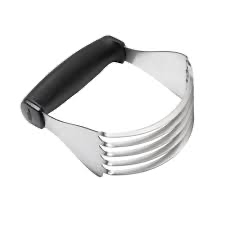
- Comfortable, ergonomic grip makes long baking sessions easier on your hands.
- Sturdy stainless steel blades deliver consistent cutting of fats into flour.
- Dishwasher-safe design for easy cleanup.
- Ideal best pastry blenders for baking everything from pie crusts to scone dough.
- Some users note the handle width may feel large for smaller hands.
Advantages: Great overall balance of comfort, durability, and price.
Disadvantages: Handle size might not fit all hands equally well.
Spring Chef Dough Blender
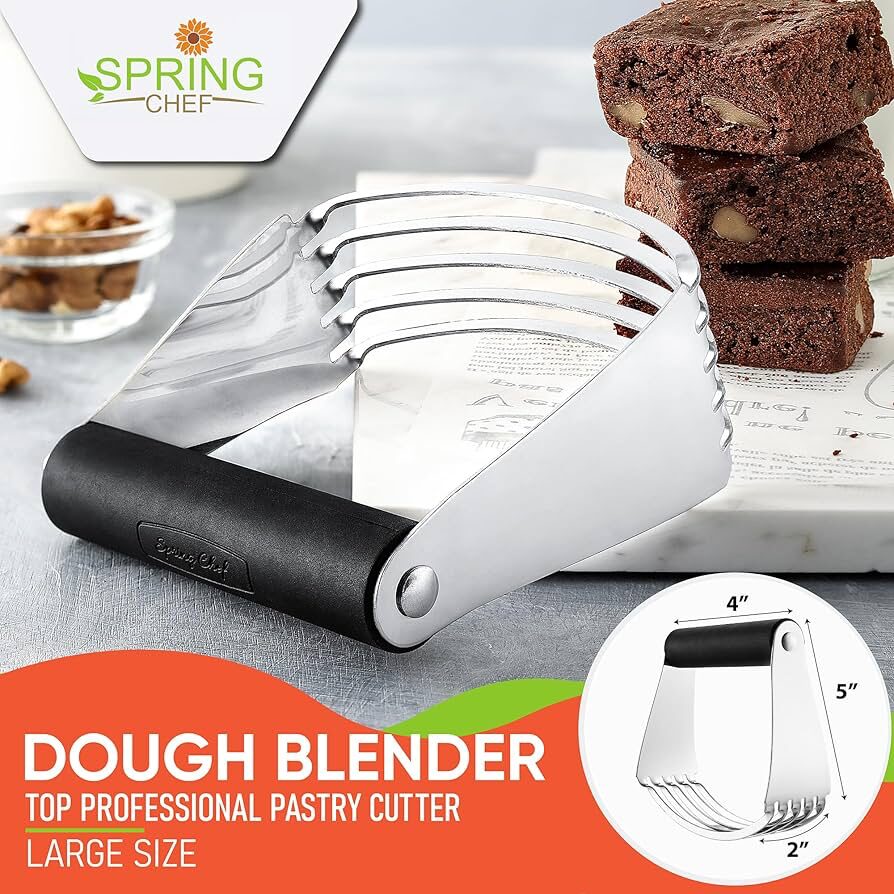
- Budget-friendly option without sacrificing functionality.
- Rubberized grip absorbs pressure while cutting fats.
- Reliable stainless steel blades cope with most dough types.
- Dishwasher-safe for easy cleanup.
- Slightly smaller size may take longer on large batches.
Advantages: Excellent entry-level tool for home bakers.
Disadvantages: Not ideal for very large batches.
Norpro Deluxe Pastry Blender
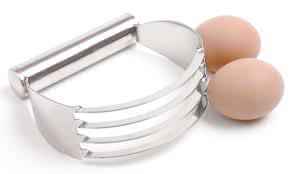
- Premium build quality with rigid, thick blades that stand up to frequent use.
- Comfortable ergonomic handle for reduced hand fatigue.
- Perfect choice as a pastry blender for biscuit dough and pie crusts.
- Slightly higher price tag reflects premium materials and craftsmanship.
Advantages: Built to last with heavy-duty performance.
Disadvantages: Pricier than basic models.
Stainless Steel Dough Blender Pastry Cutter with Wooden Handle
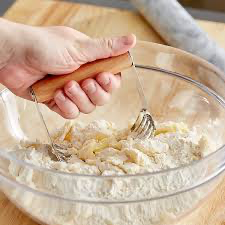
- Classic design with a wooden handle that feels comfortable and timeless.
- Stainless steel blades that cut cold butter with ease.
- Adds a traditional touch to your baking toolkit.
- Hand wash recommended to preserve the wood.
Advantages: Stylish and ergonomic for home baking.
Disadvantages: Requires gentle care (hand wash).
🍰 How to Use a Pastry Blender Like a Pro
To get the flakiest crusts and lightest biscuits, technique matters.
- Start with cold fat: Ensure your butter or shortening is very cold — this creates steam pockets as it melts in the oven.
- Add flour first: Mix your dry ingredients before introducing fat.
- Use a pressing motion: Press straight down with your pastry blender — don’t just drag it around. This builds pea-sized chunks of fat throughout the flour.
- Don’t overwork: Once your mixture resembles coarse crumbs, stop — that’s the sweet spot for flaky pastries.
Pro Tip: Freeze your butter and flour for even better texture — a trick many bakers swear by.
🥐 Pastry Blender Alternatives
While pastry blenders shine in many dough tasks, sometimes other tools suit your needs:
- Food Processor: Fast but can overmix and warm the dough if you’re not careful.
- Forks or Knives: Work in a pinch, but usually take longer and offer less control.
- Stand Mixer with Paddle: Great for large batches, but you lose tactile feedback.
🧽 Care & Maintenance
- Dishwasher Safe: Most rubber or plastic-handled models are dishwasher-friendly.
- Hand Wash Only: Wooden-handled pastry blenders should be gently hand washed to preserve the wood.
- Dry Immediately: Prevent rust on blades by drying promptly.
❓ Frequently Asked Questions
1. Are pastry blenders better than food processors for pastry dough?
Yes — they offer more control and avoid overheating the fat, which preserves flakiness. (The Pioneer Woman)
2. Can I use a pastry blender for cookie dough?
Absolutely — models with strong blades make shortbread and cookie dough prep quicker.
3. What size pastry blender should I buy?
Medium size is versatile, but larger ones are ideal if you bake often or handle big batches.
4. Do pastry blenders rust?
High-quality stainless steel resists rust, but always dry your tool after washing.
5. Is a wooden handle worth it?
Yes — for comfort and aesthetics — but it often means hand wash only care.
We’d love to hear from you! What’s the most unexpected thing you’ve used your pastry blender for — mashed potatoes, guacamole, or something else? Share your experience and don’t forget to spread the love by sharing this guide with fellow bakers. 🥧💬

Hi, I’m Maria from Los Angles. Born and raised in a family of avid home cooks, developed a love for food at a young age. I remember spending weekends in the kitchen with her parents, learning how to make family favorites like lasagna and chocolate chip cookies. After graduating from college, started working as a marketing manager for a tech company, but I found myself spending all of her free time in the kitchen. Then I decided to share my experiences on FindForKitchen blog.