

Choosing cookware is no longer just about heat distribution or price. In recent years, more home cooks have started asking an important question: is my cookware safe? Traditional nonstick coatings, questionable metals, and low-quality finishes have raised concerns about what actually ends up in our food. Non-toxic cookware focuses on materials that are stable at high heat, free from harmful chemicals, and designed to last without degrading into your meals.
This guide explores non-toxic cookware you can truly trust, with a practical focus on safety, performance, and value. Rather than promoting luxury-only brands, this article highlights accessible, well-reviewed options and materials that make sense for everyday kitchens. Whether you are replacing an old pan or building a healthier kitchen from scratch, understanding cookware materials is the first step toward safer cooking.
Table of Contents
What Makes Cookware Non-Toxic and Safe for Daily Use
Understanding Materials and Chemical Concerns
Non-toxic cookware is defined less by marketing labels and more by material science. Many conventional nonstick pans rely on synthetic coatings that can break down under high heat. When these coatings degrade, they may release fumes or shed microscopic particles into food. While occasional use may not cause immediate harm, repeated exposure over time is what concerns health-conscious cooks.
Safer cookware materials are stable, inert, and resistant to chemical reactions. Stainless steel, cast iron, carbon steel, and certain ceramic coatings are widely recognized as safer alternatives. These materials do not rely on chemical slickness to function and instead use physical properties such as seasoning, polish, or enamel to create usable cooking surfaces.
Why Heat Stability Matters More Than Marketing Claims
One of the biggest misconceptions about cookware safety is that a pan is either toxic or non-toxic by brand name alone. In reality, safety often depends on how cookware behaves under heat. A pan that performs well at low temperatures but degrades when overheated may still pose risks in a busy kitchen environment.
Materials like stainless steel and cast iron remain stable at temperatures far above typical cooking ranges. This stability reduces the risk of chemical transfer and makes them ideal for searing, sautéing, and oven use. Understanding this distinction helps you choose cookware that remains safe regardless of cooking style.
Stainless Steel Cookware: A Reliable Non-Toxic Standard
Why Stainless Steel Is Widely Trusted
Stainless steel is one of the most trusted cookware materials in professional and home kitchens alike. High-quality stainless steel does not contain chemical coatings, and its chromium content creates a natural barrier against rust and corrosion. When properly manufactured, stainless steel cookware remains stable and non-reactive with acidic foods.
For everyday cooking, stainless steel excels in versatility. It handles high heat, works on all cooktops, and transitions easily from stovetop to oven. While it requires learning proper heat control to prevent sticking, many cooks find the tradeoff worthwhile for long-term safety and durability.
Cuisinart Multiclad Pro Stainless Steel Cookware
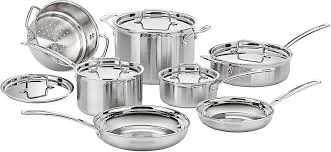
The Cuisinart Multiclad Pro line is a strong example of stainless steel cookware that balances performance and safety. Its fully clad construction improves heat distribution without relying on coatings. This makes it suitable for users transitioning away from nonstick pans while still wanting consistent results.
Many home cooks pair stainless steel cookware with better kitchen organization and workflow improvements, similar to the practical efficiency ideas discussed in Best Corner Cabinet Organizers for Kitchens, where smart design reduces daily friction.
Cast Iron and Enameled Cast Iron for Chemical-Free Cooking
The Natural Non-Toxic Benefits of Cast Iron
Cast iron cookware has been used for generations and remains one of the safest cooking materials available. It contains no synthetic coatings, and when properly seasoned, it forms a natural nonstick surface using oil polymerization. This makes cast iron both chemical-free and highly durable.
In addition to safety, cast iron offers excellent heat retention. This makes it ideal for slow cooking, baking, and searing. While it requires more maintenance than stainless steel, many cooks appreciate the simplicity of caring for a material that improves with use rather than degrading.
Lodge Pre-Seasoned Cast Iron Skillet
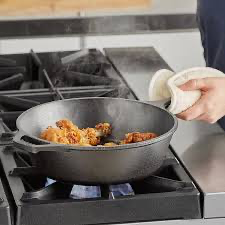
The Lodge cast iron skillet is a budget-friendly entry point into non-toxic cooking. Pre-seasoned and ready to use, it eliminates the need for chemical coatings while offering decades of reliable performance. It is especially useful for home cooks who want one pan that can handle nearly everything.
For families prioritizing durability and value, cast iron pairs well with efficient kitchen setups, similar to the thoughtful appliance choices highlighted in Best Large-Capacity Air Fryers for Families, where long-term use matters more than trends.
Ceramic Cookware: Non-Toxic Convenience with Care
Understanding Modern Ceramic Coatings
Ceramic cookware appeals to many home cooks because it offers a slick surface without traditional nonstick chemicals. High-quality ceramic coatings are typically made from sand-derived minerals and do not rely on PTFE or similar compounds. This makes them attractive for low to medium heat cooking.
However, ceramic cookware requires careful use. Overheating and abrasive cleaning can reduce its lifespan. While ceramic is non-toxic when intact, its durability depends heavily on proper handling. Understanding these limits helps ensure long-term safety and performance.
GreenPan Ceramic Nonstick Cookware
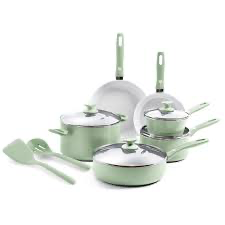
GreenPan is one of the more transparent brands in the ceramic cookware space, offering coatings free from PFAS, lead, and cadmium. This makes it a popular choice for households seeking convenience without compromising safety.
Ceramic cookware often complements lighter cooking methods and works well alongside small appliances and smart tools, much like the practical daily upgrades explored in Coffee Organizers and Storage Ideas, where ease of use is a priority.
Carbon Steel Cookware for High-Heat, Non-Toxic Performance
Why Carbon Steel Is Gaining Popularity
Carbon steel combines many of the benefits of cast iron and stainless steel in a lighter package. Like cast iron, it develops a natural nonstick surface through seasoning. Unlike cast iron, it heats up more quickly and is easier to maneuver.
This material is free from chemical coatings and performs exceptionally well at high temperatures. It is especially favored for stir-frying, searing, and professional-style cooking at home. With proper care, carbon steel cookware can last for decades.
Matfer Bourgeat Carbon Steel Fry Pan
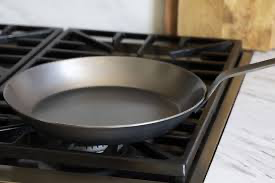
The Matfer Bourgeat carbon steel pan is a favorite among professional chefs for good reason. Its simple construction avoids unnecessary coatings while delivering excellent performance. Though it requires seasoning and maintenance, many cooks find the results worth the effort.
Carbon steel cookware is ideal for those who enjoy hands-on cooking and want precise control without chemical concerns.
How to Build a Truly Non-Toxic Cookware Set
Mixing Materials for Versatility
No single cookware material is perfect for every task. A truly non-toxic kitchen often includes a thoughtful mix of stainless steel, cast iron, ceramic, and carbon steel. This approach allows you to match the material to the cooking method, maximizing both safety and performance.
For example, stainless steel works well for sauces and boiling, cast iron excels at searing and baking, ceramic is convenient for eggs and delicate foods, and carbon steel shines in high-heat applications. Together, they form a balanced, chemical-free setup.
Replacing Cookware Gradually and Intentionally
Transitioning to non-toxic cookware does not require replacing everything at once. Many households start by upgrading the most frequently used pans first. Over time, building a safer collection becomes manageable and budget-friendly.
This gradual approach mirrors other smart kitchen upgrades, like those discussed in Top 5 Air Fryers for Beginners, where intentional choices lead to long-term satisfaction.
Safety, Performance, and Peace of Mind
Non-toxic cookware is about more than avoiding harmful chemicals. It is about choosing materials that support healthier cooking, last longer, and perform reliably. When cookware is stable under heat and free from synthetic coatings, it offers peace of mind alongside better results.
Understanding materials and how they behave empowers you to make informed decisions rather than relying on marketing claims alone.
A Smarter Kitchen Starts with Safer Tools
Investing in non-toxic cookware is one of the most impactful changes you can make in your kitchen. Whether you choose stainless steel, cast iron, ceramic, or carbon steel, prioritizing safety benefits every meal you prepare.
With the right choices, your cookware becomes a trusted foundation for healthier, more enjoyable cooking for years to come.

Hi, I’m Maria from Los Angles. Born and raised in a family of avid home cooks, developed a love for food at a young age. I remember spending weekends in the kitchen with her parents, learning how to make family favorites like lasagna and chocolate chip cookies. After graduating from college, started working as a marketing manager for a tech company, but I found myself spending all of her free time in the kitchen. Then I decided to share my experiences on FindForKitchen blog.