

When it comes to manual coffee brewing, few debates are as enduring—or as personal—as AeroPress vs French Press. Both methods have loyal followings, both are affordable compared to espresso machines, and both promise rich, flavorful coffee without relying on electricity. Yet the experience they deliver, from taste and texture to cleanup and ritual, differs in meaningful ways. Choosing between them is less about which is objectively “better” and more about which fits your habits, preferences, and lifestyle.
The French Press has been a household staple for decades, known for its simplicity and bold, full-bodied coffee. The AeroPress, on the other hand, is a relative newcomer that quickly gained cult status thanks to its versatility, speed, and clean flavor profile. One leans toward tradition and immersion brewing, while the other embraces pressure, experimentation, and portability. Understanding how each brewer works—and what that means in your cup—is the key to making the right choice.
In this in-depth comparison, we’ll break down AeroPress vs French Press across taste, brewing control, ease of use, portability, maintenance, and value. You’ll also find a comparison table with popular Amazon USA options, visual references, and practical buying advice. Along the way, we’ll connect this guide to other coffee-related resources to help you build a brewing setup that truly suits you.
| Product | Brew Method | Flavor Profile | Best For | Action |
|---|---|---|---|---|
| AeroPress Original Coffee Maker | Pressure + immersion | Clean, smooth, low bitterness | Single-serve, travel, experimentation | BUY ON AMAZON |
| Bodum Chambord French Press | Full immersion | Bold, rich, full-bodied | Multiple cups, classic brewing | BUY ON AMAZON |
Table of Contents
How Each Brewing Method Works
AeroPress Brewing Explained
The AeroPress uses a hybrid approach that combines immersion with gentle pressure. Coffee grounds steep briefly in hot water, after which the brewer uses hand-applied pressure to push the liquid through a fine paper or metal filter. This process extracts flavor quickly and efficiently, resulting in a cup that is typically cleaner and less oily than other immersion methods.
One of the defining characteristics of the AeroPress is flexibility. Brew time, water temperature, grind size, and pressure can all be adjusted. You can brew a short, concentrated cup similar to espresso, or a longer, diluted coffee closer to an Americano. This adaptability has made the AeroPress especially popular among coffee enthusiasts who enjoy experimenting with recipes and techniques.
French Press Brewing Explained
The French Press relies on full immersion brewing. Coarsely ground coffee is steeped in hot water for several minutes before a metal mesh plunger separates the grounds from the liquid. Because there is no paper filter, oils and fine particles remain in the cup, contributing to a heavier mouthfeel and more pronounced flavor.
This method is straightforward and forgiving. Once you dial in the right ratio and steep time, results are consistent. The French Press is also well-suited for brewing multiple cups at once, making it a popular choice for households or casual gatherings.
Flavor, Body, and Mouthfeel
What AeroPress Coffee Tastes Like
AeroPress coffee is often described as clean, smooth, and balanced. The use of a paper filter removes most oils and sediment, which reduces bitterness and highlights clarity. This makes it easier to taste subtle flavor notes, especially in lighter roasts and single-origin beans.
Because extraction happens quickly, there is less risk of over-extraction when brewing correctly. This appeals to drinkers who prefer a refined cup with minimal grit. If you enjoy dialing in flavors and exploring different beans, the AeroPress offers a level of control that rivals more complex brewing systems.
What French Press Coffee Tastes Like
French Press coffee is known for its boldness and weight. The metal filter allows oils and micro-fines to pass through, creating a fuller body and richer texture. This can enhance chocolatey, nutty, or earthy notes, particularly in medium to dark roasts.
However, this same characteristic can be a downside for some. Sediment at the bottom of the cup and a heavier mouthfeel are not universally loved. Still, for those who enjoy a robust, traditional cup, the French Press delivers a satisfying experience.
Ease of Use and Daily Convenience
Using an AeroPress Day to Day
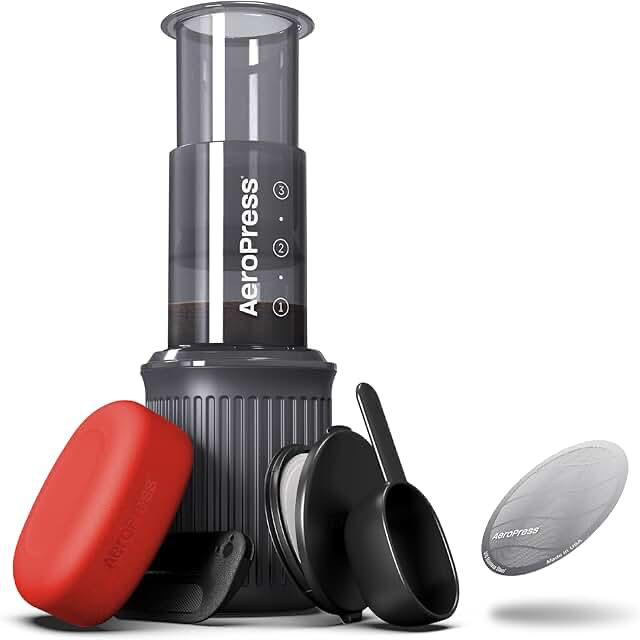
The AeroPress is fast. From grinding beans to drinking coffee, the entire process can take under three minutes. Cleanup is also minimal: eject the compact coffee puck, rinse the components, and you’re done. This efficiency makes it an excellent choice for busy mornings or work-from-home routines.
That said, the AeroPress is inherently a single-serve brewer. Making coffee for multiple people means repeating the process several times. For solo drinkers, this is rarely an issue, but it’s worth considering if you often brew for others.
Using a French Press Day to Day
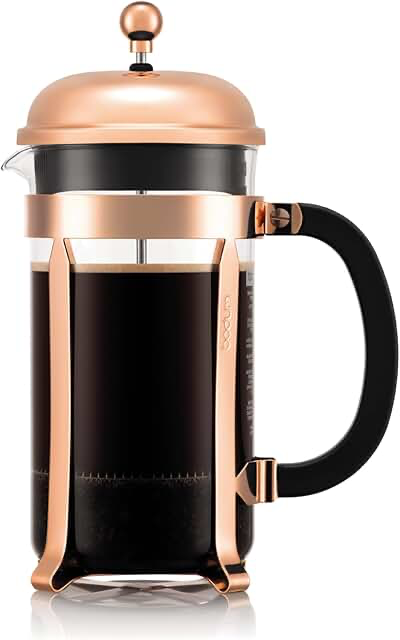
The French Press shines when brewing larger quantities. You can easily make enough coffee for two to four people in one batch. The process is simple, but it requires patience: steep time is typically four minutes or more.
Cleanup can be messier than with an AeroPress, as wet grounds must be scooped or rinsed out. While not difficult, it takes slightly more effort and water. For many users, the ritual is part of the appeal.
Portability and Travel Use
AeroPress for Travel and Small Spaces
The AeroPress was practically designed with travel in mind. Made from durable plastic and weighing very little, it fits easily into backpacks, suitcases, or even desk drawers. This makes it popular among campers, digital nomads, and office workers.
If you’re exploring compact coffee solutions, the AeroPress pairs well with ideas discussed in Best Portable Coffee Makers for Travel, where convenience and durability matter most.
French Press as a Home-First Brewer
While travel-sized French presses exist, they are generally bulkier and more fragile than an AeroPress. Glass models in particular are not ideal for frequent transport. Stainless steel versions improve durability but still take up more space.
For this reason, the French Press is best suited for home use, especially kitchens where counter space and relaxed brewing time are available.
Maintenance, Filters, and Long-Term Costs
AeroPress Maintenance and Accessories
The AeroPress requires paper or metal filters. Paper filters are inexpensive and widely available, and they contribute to the brewer’s clean flavor profile. Metal filters are reusable and allow more oils through, offering a middle ground between AeroPress and French Press style coffee.
Replacement parts are affordable, and the brewer itself is extremely durable. Long-term costs remain low, especially if you use reusable filters.
French Press Maintenance Over Time
The French Press has no consumable filters, which keeps ongoing costs minimal. However, the mesh filter assembly may eventually need replacement if it bends or wears out. Cleaning thoroughly is important to prevent old oils from affecting flavor.
Glass carafes can break, though stainless steel models eliminate this risk. Overall, maintenance is simple, but diligence matters.
Which Brewer Is Right for You?
Choosing between AeroPress and French Press comes down to how you drink coffee. If you value speed, portability, and clean flavors, the AeroPress is hard to beat. It rewards curiosity and experimentation, making it ideal for enthusiasts and solo drinkers.
If you prefer bold coffee, enjoy a slower brewing ritual, and often serve multiple people, the French Press remains a classic choice. It delivers richness and simplicity without relying on accessories or precision.
Many coffee lovers ultimately own both, using each for different occasions. Pairing your choice with complementary tools—such as those highlighted in Top Coffee Accessories You’ll Love on Amazon—can further enhance your experience.
The AeroPress vs French Press debate doesn’t end with a single winner. Each brewer excels in its own way, serving different tastes, routines, and environments. What matters most is how well the method aligns with your daily life and flavor preferences.
By understanding the strengths and trade-offs of each, you can confidently choose the brewer that brings you the most enjoyment—cup after cup.

Hi, I’m Maria from Los Angles. Born and raised in a family of avid home cooks, developed a love for food at a young age. I remember spending weekends in the kitchen with her parents, learning how to make family favorites like lasagna and chocolate chip cookies. After graduating from college, started working as a marketing manager for a tech company, but I found myself spending all of her free time in the kitchen. Then I decided to share my experiences on FindForKitchen blog.