

Choosing between a Bosch and a Samsung dishwasher is one of the most common dilemmas for homeowners upgrading their kitchens. Both brands are globally respected, both invest heavily in technology, and both promise cleaner dishes with less effort. Yet their design philosophies, performance priorities, and long-term ownership experiences are quite different. Understanding those differences is essential if you want a dishwasher that truly fits your lifestyle rather than just your budget.
Dishwashers today are no longer simple wash-and-dry machines. Modern models focus on noise reduction, energy efficiency, smart connectivity, flexible loading systems, and specialized wash cycles. Bosch has built its reputation on quiet operation and consistent cleaning performance, while Samsung often appeals to tech-focused users who value smart features and sleek design. Neither approach is objectively better; the right choice depends on how you use your kitchen daily.
In this in-depth comparison, we’ll examine Bosch vs Samsung dishwashers across performance, design, technology, reliability, and value. You’ll find a detailed comparison table, real Amazon USA product examples, and category-by-category analysis to help you decide with confidence. Along the way, we’ll also connect this guide to other kitchen appliance insights to support a well-rounded buying decision.
Table of Contents
Comparison Table: Bosch vs Samsung Dishwashers
| Product | Noise Level | Key Feature | Best For | Action |
|---|---|---|---|---|
| Bosch 300 Series Dishwasher | 44 dBA | PrecisionWash system | Quiet, reliable cleaning | BUY ON AMAZON |
| Bosch 800 Series Dishwasher | 42 dBA | CrystalDry technology | Premium drying performance | BUY ON AMAZON |
| Samsung StormWash Dishwasher | 48 dBA | Rotating spray jets | Heavy-duty cleaning | BUY ON AMAZON |
| Samsung Linear Wash Dishwasher | 46 dBA | Sliding spray bar | Modern smart kitchens | BUY ON AMAZON |
Design Philosophy and Build Quality
Bosch: Function-First German Engineering
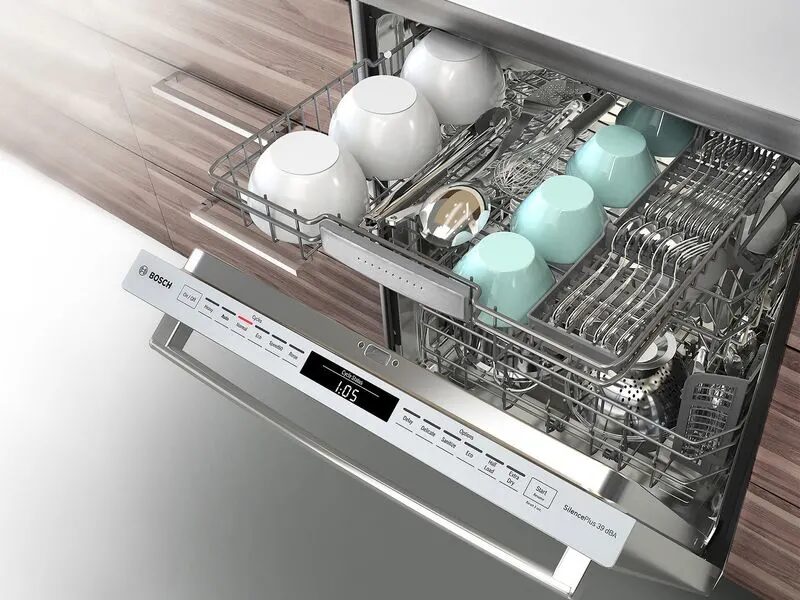
Bosch dishwashers are designed with a clear emphasis on function, longevity, and precision. The brand’s German engineering roots are evident in the way components fit together, the materials used, and the overall sturdiness of the machines. Stainless steel tubs are standard across most Bosch models, which helps with durability, heat retention, and odor resistance. The rack systems feel solid and glide smoothly, even when fully loaded.
Visually, Bosch dishwashers tend to favor understated elegance. Controls are often hidden, panels are minimal, and branding is subtle. This makes Bosch an excellent choice for homeowners who prefer appliances that blend seamlessly into their kitchen design rather than stand out. For readers focused on cohesive kitchen aesthetics, pairing Bosch appliances with guidance from Cookware for Induction Stoves can help maintain a consistent, professional look.
Samsung: Modern Design with Visual Impact
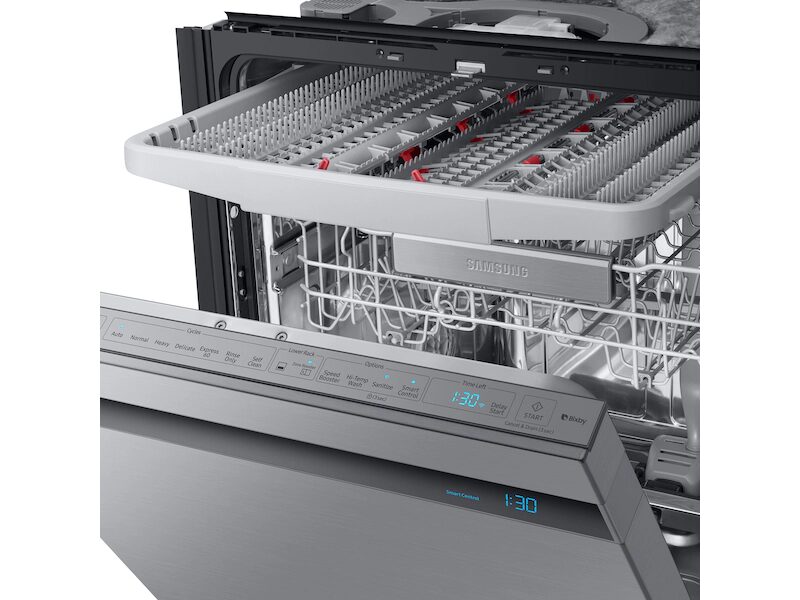
Samsung takes a more contemporary, design-forward approach. Their dishwashers often feature bold finishes, digital displays, and visible control panels that signal modern technology. Build quality is generally solid, though Samsung prioritizes sleekness and innovation over the conservative durability philosophy Bosch is known for.
Samsung racks are flexible and adjustable, designed to accommodate a wide variety of dish shapes. While some users appreciate the lighter feel, others may find Bosch’s racks more robust. Ultimately, Samsung appeals strongly to homeowners who want their appliances to look as advanced as they function.
Cleaning Performance and Wash Technology
Bosch PrecisionWash Explained
Bosch’s cleaning performance is driven by its PrecisionWash system, which uses intelligent sensors to scan and analyze each load. The dishwasher adjusts water pressure, spray intensity, and cycle duration based on soil levels. This adaptive approach ensures thorough cleaning without wasting water or energy.
One of Bosch’s strengths is consistency. Whether you’re washing lightly soiled glasses or heavily baked-on cookware, the results are reliable across cycles. This makes Bosch especially appealing for households that run their dishwasher frequently and expect predictable outcomes.
Samsung StormWash and Linear Wash
Samsung focuses on targeted cleaning power. StormWash technology uses rotating spray jets to blast away tough food residue without requiring pre-rinsing. This is particularly effective for pots and pans with stubborn messes. Linear Wash models, on the other hand, use a sliding spray bar that moves back and forth, ensuring corner-to-corner coverage.
Samsung’s approach excels in handling heavily soiled items, though it may rely slightly more on user-selected cycles. For tech-savvy users who like controlling settings, this is a plus. For those who prefer a “set it and forget it” experience, Bosch may feel more intuitive.
Drying Performance and Energy Efficiency
Bosch CrystalDry Advantage
Drying is an area where Bosch, particularly in its 800 Series, stands out. CrystalDry technology uses natural minerals to convert moisture into heat, delivering exceptional drying results—even on plastics. This is a major advantage for families who rely on plastic containers daily.
Because CrystalDry does not rely on traditional heating elements, it also contributes to better energy efficiency. Bosch dishwashers are consistently ENERGY STAR certified, making them a strong choice for eco-conscious households.
Samsung Drying Systems
Samsung dishwashers typically use a combination of condensation drying and heated drying options. While effective for most dishware, plastic items may still require towel drying in some cases. Samsung compensates with shorter cycle times and flexible drying options.
Energy efficiency is competitive, though Bosch generally has a slight edge in long-term utility savings. Readers comparing energy-conscious appliances may also find value in Best Smart Kitchen Gadgets for 2026 to see how efficiency trends extend beyond dishwashers.
Noise Levels and Kitchen Comfort
Bosch: Industry-Leading Quiet Operation
Bosch is widely recognized for producing some of the quietest dishwashers on the market. Many models operate at noise levels so low that an indicator light is required to confirm the dishwasher is running. This makes Bosch ideal for open-concept kitchens and households that value a calm environment.
Quiet operation is not just a luxury; it changes how and when you can run your dishwasher. With Bosch, nighttime or early-morning cycles rarely disrupt daily life.
Samsung: Quiet, but Not Silent
Samsung dishwashers are also relatively quiet, though generally a few decibels louder than Bosch. In most kitchens, this difference is negligible, but in very open spaces, Bosch still holds the advantage.
For many users, Samsung’s noise levels are more than acceptable, especially when balanced against its smart features and modern design.
Smart Features and Connectivity
Samsung’s Smart Home Integration
Samsung leads in smart connectivity. Many of its dishwashers integrate with SmartThings, allowing users to monitor cycles, receive alerts, and control settings from a smartphone. This is particularly appealing for tech-oriented households already invested in smart home ecosystems.
Smart diagnostics and remote monitoring can simplify maintenance and reduce downtime. For readers interested in connected kitchens, Samsung’s approach aligns well with broader smart appliance trends.
Bosch Home Connect Capabilities
Bosch also offers smart features through Home Connect, though with a more restrained implementation. The focus is on reliability and practical alerts rather than flashy controls. Users can start cycles remotely, receive notifications, and access support information.
This minimalist approach suits homeowners who want smart features without complexity.
Reliability, Maintenance, and Long-Term Value
Reliability is where Bosch often earns long-term loyalty. The brand’s dishwashers are known for lasting many years with minimal issues when properly maintained. Replacement parts and service networks are widely available, contributing to peace of mind.
Samsung offers strong warranties and modern diagnostics, but long-term reliability perceptions vary more by model. Regular maintenance and correct installation play a key role in satisfaction.
If you’re planning a broader kitchen upgrade, aligning dishwasher choice with cookware and accessories—such as those discussed in Best Ceramic Cookware Sets in 2026—can help maximize overall performance.
The decision between Bosch and Samsung ultimately comes down to priorities. Bosch excels in quiet operation, consistent cleaning, and long-term reliability. It is an excellent choice for homeowners who value subtle design and dependable performance.
Samsung, on the other hand, appeals to users who enjoy modern design, powerful cleaning options, and smart connectivity. Its dishwashers feel more interactive and visually modern.
Both brands offer strong options, and neither choice is wrong. By understanding how each brand aligns with your cooking habits, kitchen layout, and lifestyle, you can confidently choose the dishwasher that truly fits your home.

Hi, I’m Maria from Los Angles. Born and raised in a family of avid home cooks, developed a love for food at a young age. I remember spending weekends in the kitchen with her parents, learning how to make family favorites like lasagna and chocolate chip cookies. After graduating from college, started working as a marketing manager for a tech company, but I found myself spending all of her free time in the kitchen. Then I decided to share my experiences on FindForKitchen blog.