
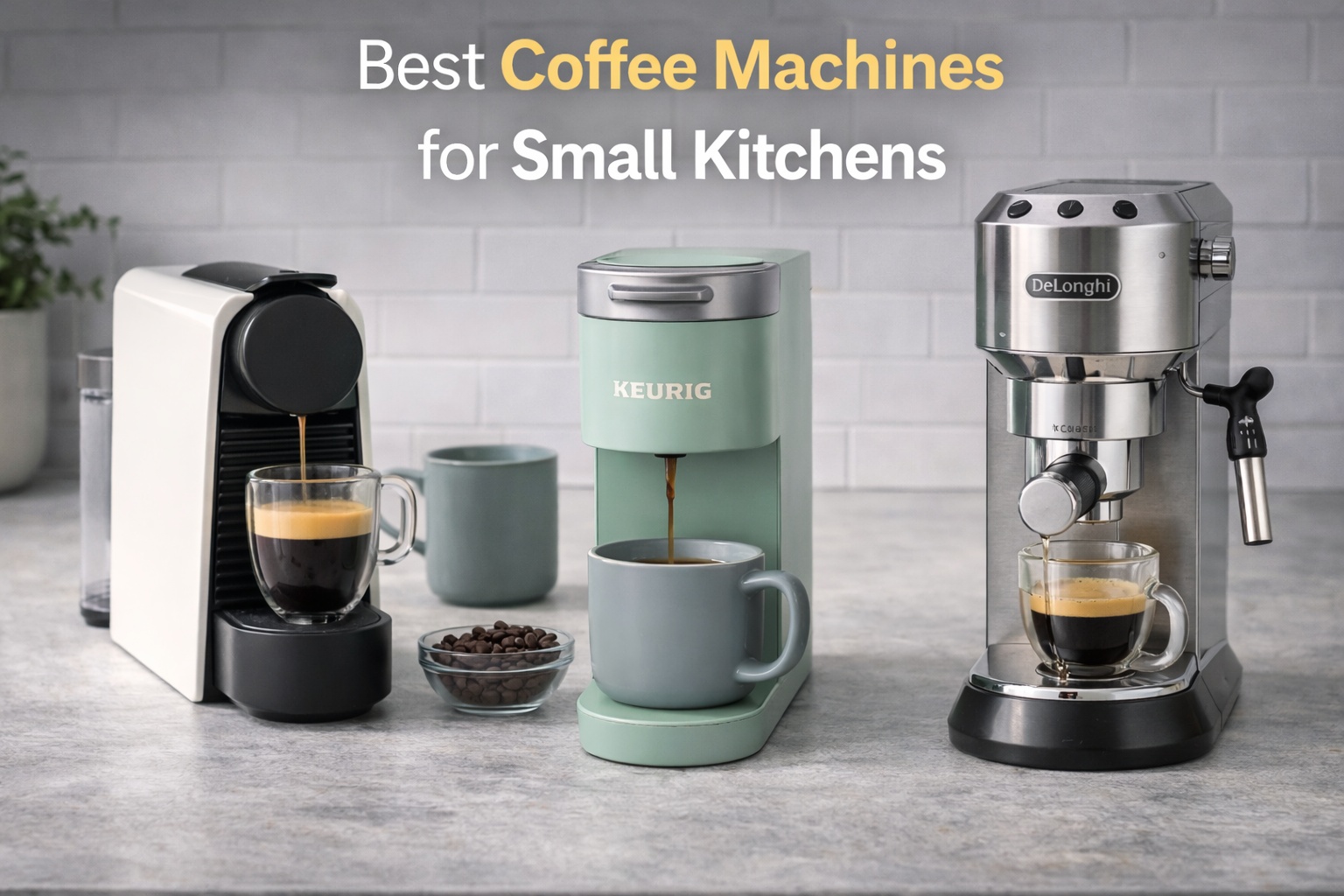
Limited counter space no longer means settling for mediocre coffee. As more people live in apartments, studios, and compact homes, coffee machine manufacturers have adapted with smarter, slimmer, and more efficient designs. Today’s compact coffee machines are built to deliver excellent flavor while taking up as little room as possible, making them ideal for small kitchens that still demand quality and convenience.
The challenge in a small kitchen is not only physical size but visual clutter. Bulky appliances, extra accessories, and oversized water tanks can quickly overwhelm a tight layout. The best coffee machines for small kitchens are those that combine a compact footprint with thoughtful design, fast brewing, and minimal cleanup. Many modern models focus on vertical builds, integrated components, and single-serve efficiency to keep counters functional and organized.
This guide takes a fresh look at the best coffee machines for small kitchens, comparing compact capsule systems, slim single-serve brewers, manual coffee makers, and narrow espresso machines. You’ll find a detailed comparison table, practical recommendations, and buying advice tailored specifically for limited spaces. We’ll also connect this guide with other helpful kitchen and coffee resources so you can create a setup that feels intentional rather than cramped.
Table of Contents
Comparison Table: Best Coffee Machines for Small Kitchens
| Product | Machine Type | Space-Saving Benefit | Ideal For | Action |
|---|---|---|---|---|
| Nespresso Essenza Mini | Capsule Espresso | Ultra-small footprint | Fast espresso in tight spaces | BUY ON AMAZON |
| Keurig K-Mini | Single-Serve Drip | Very narrow width | Simple daily coffee | BUY ON AMAZON |
| AeroPress Coffee Maker | Manual Brewer | No permanent counter use | Maximum flexibility, zero clutter | BUY ON AMAZON |
| De’Longhi Dedica EC685 | Semi-Automatic Espresso | Slim espresso machine body | Espresso lovers with small counters | BUY ON AMAZON |
What Defines a Coffee Machine Made for Small Kitchens
Understanding Footprint and Real Counter Use
When evaluating coffee machines for small kitchens, footprint matters more than overall size. A machine may appear compact on paper but still occupy valuable horizontal space. Narrow, vertical designs are often more practical because they leave room for food prep and other appliances. Machines that tuck neatly under cabinets or fit between existing items tend to integrate better into compact layouts.
Another key factor is whether the machine needs to stay on the counter at all times. Some coffee makers, especially manual brewers, can be stored after use. This approach keeps counters clear and works particularly well in kitchens where space is shared with other daily activities. Organization strategies discussed in 7 Cookware Storage Ideas apply just as well to coffee equipment.
Reducing Accessory Overload
Small kitchens benefit from simplicity. Coffee machines that require grinders, scales, frothers, and extra containers can quickly overwhelm limited space. Integrated features—such as built-in water tanks, internal frothers, or capsule systems—help reduce clutter. In many cases, choosing a slightly simpler machine leads to a more enjoyable daily experience.
Capsule Coffee Machines for Minimal Counter Space
Why Capsule Machines Are So Popular in Small Kitchens
Capsule coffee machines are a natural fit for compact kitchens because they deliver consistent results with almost no mess. Models like the Nespresso Essenza Mini are specifically engineered for limited spaces, offering espresso-quality coffee from a machine that takes up very little room. There’s no need to store bags of coffee beans, grinders, or filters—everything is neatly contained.
Speed is another advantage. Capsule machines heat up quickly and brew in under a minute, making them ideal for busy mornings. Cleanup is minimal, which helps keep small kitchens looking tidy throughout the day.
Limitations of Capsule Systems
The main drawback is flexibility. You’re limited to compatible capsules, and the cost per cup is higher than using ground coffee. However, for users who prioritize convenience and space efficiency, capsule machines remain one of the smartest choices. If you’re weighing different pod systems, Keurig vs Nespresso Coffee Machines offers helpful comparisons.
Slim Single-Serve Drip Coffee Makers
Simple Coffee Without the Bulk
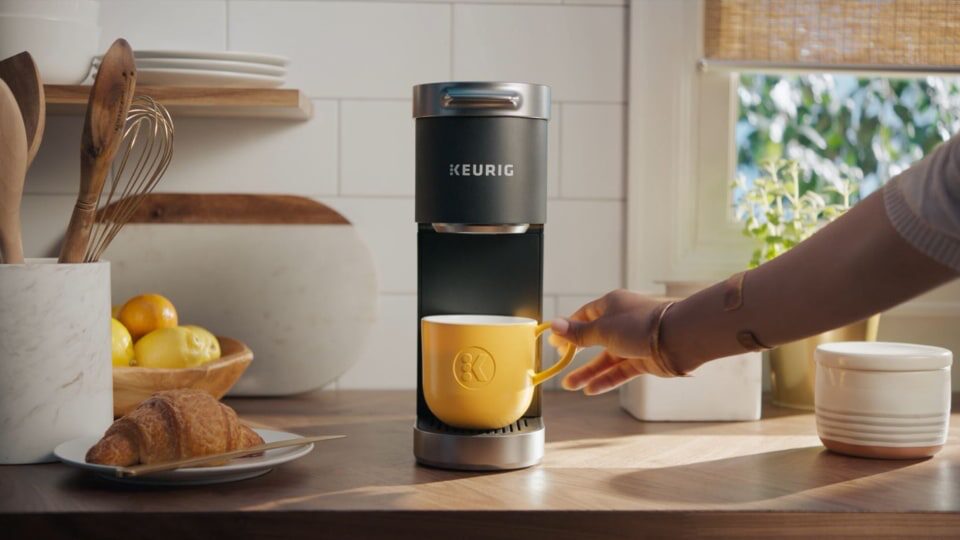
Slim single-serve coffee makers focus on vertical design, allowing them to fit into narrow spaces where traditional machines cannot. The Keurig K-Mini is a good example, offering single-cup convenience without a bulky base or permanent water reservoir.
These machines are well suited for users who drink one cup at a time and prefer straightforward operation. There’s no carafe to store and no waiting for large batches to brew.
Who Single-Serve Drip Machines Are Best For
Single-serve drip machines are ideal for solo coffee drinkers or couples who value speed and simplicity. They are less suited for entertaining but excel at daily convenience in small living spaces.
Manual Coffee Makers That Eliminate Counter Clutter
Maximum Coffee Quality, Minimum Space
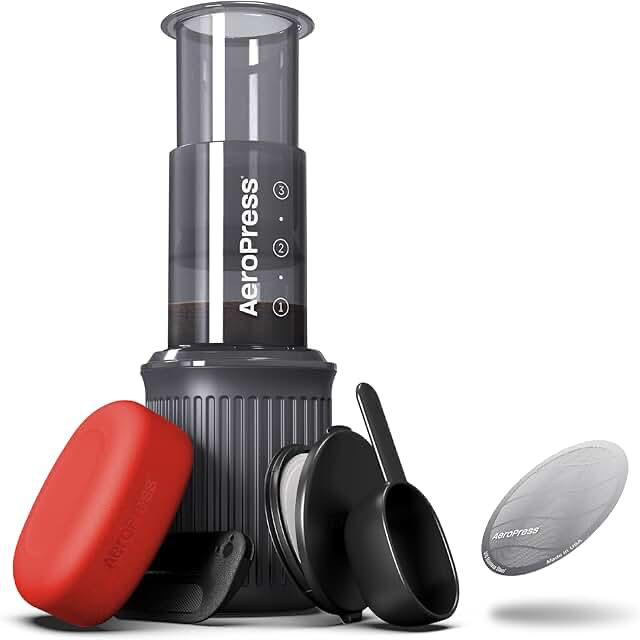
Manual coffee makers like the AeroPress are among the most space-efficient options available. Because they don’t need to remain on the counter, they are perfect for kitchens where every inch matters. After brewing, the entire setup can be stored away, leaving the counter completely free.
Despite their simplicity, manual brewers offer impressive control over flavor. The AeroPress, in particular, allows users to experiment with brew time, grind size, and strength, producing results that rival much larger machines.
Who Should Choose Manual Brewers
Manual coffee makers are ideal for people who enjoy the brewing process and don’t mind a hands-on approach. They’re also excellent for renters or frequent movers. This category overlaps strongly with recommendations in Best Portable Coffee Makers for Travel.
Slim Espresso Machines for Serious Coffee Drinkers
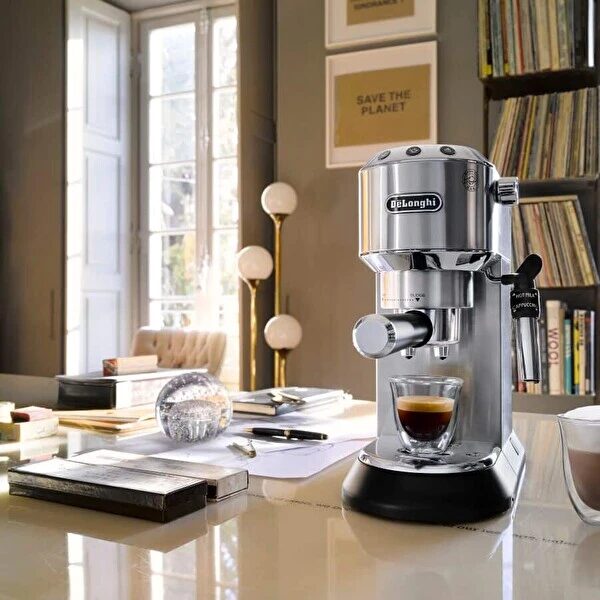
Real Espresso Without a Large Footprint
Espresso machines are often associated with large footprints, but slim models like the De’Longhi Dedica challenge that assumption. With a narrow body and vertical design, these machines deliver true espresso without overwhelming small counters.
Built-in steam wands allow users to make milk-based drinks without extra accessories. This integration is especially valuable in small kitchens where storage is limited.
Trade-Offs of Compact Espresso Machines
Smaller espresso machines typically have reduced water capacity and require more frequent maintenance. However, for espresso lovers who value quality over convenience, these machines offer a satisfying compromise.
How to Choose the Right Coffee Machine for Your Space
Choosing a coffee machine for a small kitchen is about understanding your habits. If speed and minimal cleanup matter most, capsule or single-serve machines are ideal. If flexibility and storage freedom are priorities, manual brewers shine. Espresso enthusiasts can still enjoy café-quality drinks by opting for slim, thoughtfully designed machines.
It’s also helpful to think about the broader kitchen ecosystem. Pairing your coffee machine with smart storage and complementary appliances—such as those discussed in Best Smart Kitchen Gadgets for 2026—can make a small kitchen feel far more functional.
A small kitchen doesn’t have to limit your coffee experience. With today’s compact machines, it’s possible to enjoy excellent coffee while keeping your space organized and uncluttered.
By choosing a machine that matches your brewing style and spatial constraints, you can create a coffee setup that feels intentional, efficient, and enjoyable—no matter how small your kitchen may be.

Hi, I’m Maria from Los Angles. Born and raised in a family of avid home cooks, developed a love for food at a young age. I remember spending weekends in the kitchen with her parents, learning how to make family favorites like lasagna and chocolate chip cookies. After graduating from college, started working as a marketing manager for a tech company, but I found myself spending all of her free time in the kitchen. Then I decided to share my experiences on FindForKitchen blog.