

Induction cooking has rapidly moved from professional kitchens into everyday homes, and for good reason. Induction stoves offer faster heating, precise temperature control, and improved energy efficiency compared to traditional gas or electric cooktops. However, these benefits only fully shine when paired with the right cookware. Using incompatible pots and pans on an induction stove can lead to uneven heating, wasted energy, or no heating at all. That’s why choosing the correct cookware for induction stoves is essential for both performance and safety.
Unlike conventional stovetops, induction cooking relies on magnetic energy rather than direct heat. This means cookware must have a magnetic base—usually made from stainless steel or cast iron—to work effectively. Many home cooks upgrading to induction discover that some of their existing cookware no longer performs as expected. Understanding materials, construction, and design details can help you invest wisely and avoid frustration.
In this in-depth guide, we’ll explore everything you need to know about cookware for induction stoves. You’ll find a detailed comparison table, material-specific breakdowns, real Amazon USA product examples, and practical advice for selecting the best pots and pans for your kitchen. Along the way, we’ll also connect you to related cookware guides already published, helping you build a more complete and efficient cooking setup.
Table of Contents
Comparison Table: Best Cookware for Induction Stoves
| Product | Material | Induction Compatibility | Best For | Action |
|---|---|---|---|---|
| Duxtop Whole-Clad Tri-Ply Set | Stainless Steel | Fully Induction Ready | Everyday cooking & durability | BUY ON AMAZON |
| Lodge Cast Iron Skillet | Cast Iron | Fully Induction Ready | High-heat & searing | BUY ON AMAZON |
| T-fal Ultimate Hard Anodized | Aluminum w/ Steel Base | Induction-Compatible Base | Nonstick everyday use | BUY ON AMAZON |
| All-Clad D3 Stainless Set | Tri-Ply Stainless Steel | Fully Induction Ready | Professional-level cooking | BUY ON AMAZON |
How Induction Cooking Works and Why Cookware Matters
The Science Behind Induction Heating
Induction stoves work by generating an electromagnetic field beneath the glass surface. When compatible cookware is placed on the cooktop, this magnetic field induces an electric current directly in the pot or pan, causing it to heat up. The cooktop itself remains relatively cool, which improves safety and efficiency. However, this process only works if the cookware contains magnetic materials, such as ferromagnetic stainless steel or cast iron.
This direct energy transfer is what makes induction cooking so fast and responsive. Water boils quicker, temperature adjustments are nearly instant, and less heat is lost to the surrounding air. But the flip side is that cookware quality plays a much larger role than it does with gas or electric stoves. Thin or poorly designed cookware may heat unevenly, while non-magnetic materials won’t heat at all.
Why Flat, Heavy Bases Perform Better
Cookware designed for induction stoves typically features a flat, heavy base. This ensures full contact with the cooktop surface and consistent energy transfer. Warped or lightweight pans can reduce efficiency and cause hot spots. Investing in induction-ready cookware improves not only performance but also the lifespan of both your cookware and your stove.
If you’re transitioning from traditional cooking, it may help to revisit guides like Budget Cookware Sets Under $100 to understand how construction quality affects long-term value.
Stainless Steel Cookware for Induction Stoves
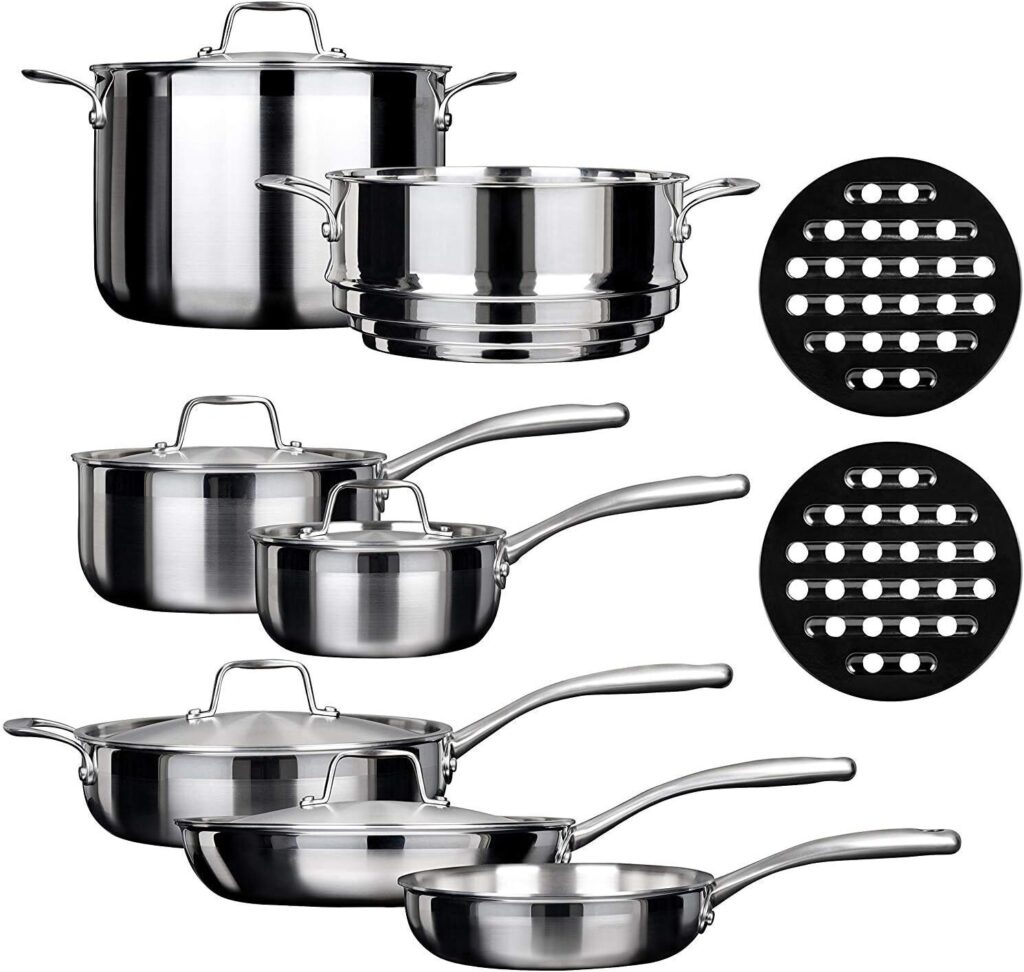
Why Stainless Steel Is a Top Choice
Stainless steel is one of the most popular materials for induction cookware, and for good reason. High-quality stainless steel cookware often features a layered construction, combining an aluminum or copper core with a magnetic stainless steel exterior. This design provides excellent heat distribution while maintaining full induction compatibility.
Unlike nonstick surfaces, stainless steel is highly durable and resistant to scratching, making it ideal for daily use. It also handles high temperatures well, which is essential for searing, sautéing, and deglazing. Many professional chefs prefer stainless steel because it offers precise control and develops fond—a key element for building flavor.
Maintenance and Cooking Tips
While stainless steel cookware excels on induction stoves, it does require some technique. Preheating the pan properly and using sufficient oil helps prevent sticking. Cleaning is generally easy, especially when using stainless-safe cleaners. For cooks who want a balance between durability and performance, stainless steel remains one of the safest investments.
If you’re comparing premium options, our older guide Carote vs GreenLife Cookware offers helpful insights into how different materials stack up.
Cast Iron Cookware for Induction Stoves
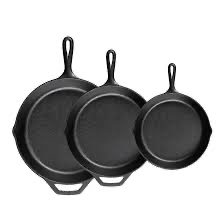
Exceptional Heat Retention
Cast iron cookware is naturally induction-compatible due to its high iron content. It excels at heat retention, making it perfect for tasks like searing steaks, baking cornbread, or slow-cooking meals. On induction stoves, cast iron heats quickly and maintains temperature stability once hot.
However, cast iron is heavy, which means users should be cautious when placing it on glass induction surfaces. Lifting rather than sliding helps prevent scratches. Despite the weight, many home cooks appreciate cast iron’s versatility and longevity.
Seasoning and Care Considerations
Proper seasoning is essential for cast iron cookware. Over time, this natural nonstick layer improves performance and flavor. While cast iron requires more maintenance than stainless steel, many users find the process rewarding. For induction stove owners who enjoy traditional cooking methods, cast iron remains a powerful option.
Nonstick Cookware Designed for Induction
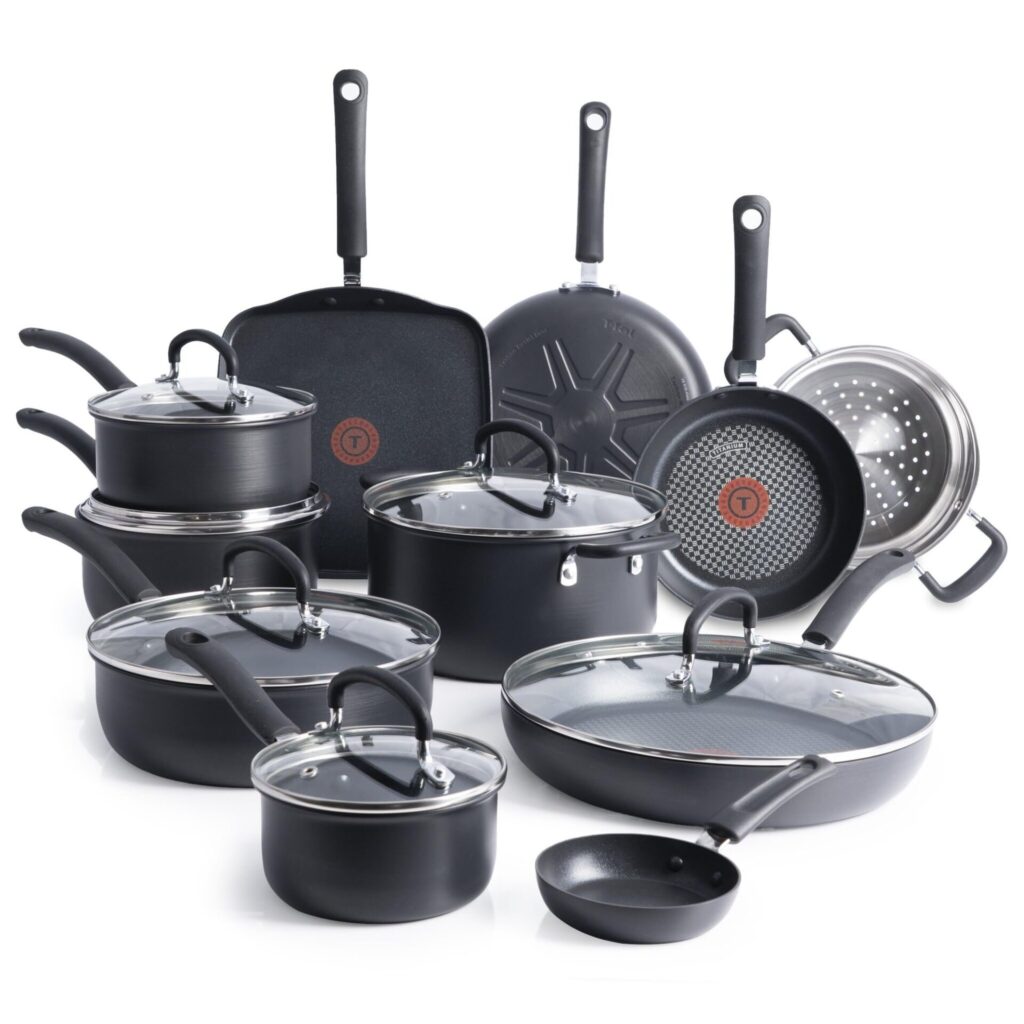
Convenience for Everyday Cooking
Nonstick cookware remains a favorite for quick meals and easy cleanup. For induction compatibility, these pans must include a magnetic stainless steel base bonded to the aluminum body. When designed properly, induction-ready nonstick cookware performs efficiently and evenly.
This category is especially appealing for eggs, pancakes, and low-fat cooking. However, users should avoid high heat, as nonstick coatings can degrade over time. Choosing induction-specific models ensures safer and more consistent results.
Longevity and Safety Tips
Using silicone or wooden utensils helps extend the lifespan of nonstick cookware. While these pans may not last as long as stainless steel or cast iron, they offer unmatched convenience. For households focused on speed and simplicity, nonstick induction cookware is a practical addition.
Premium Cookware Sets for Induction Stoves
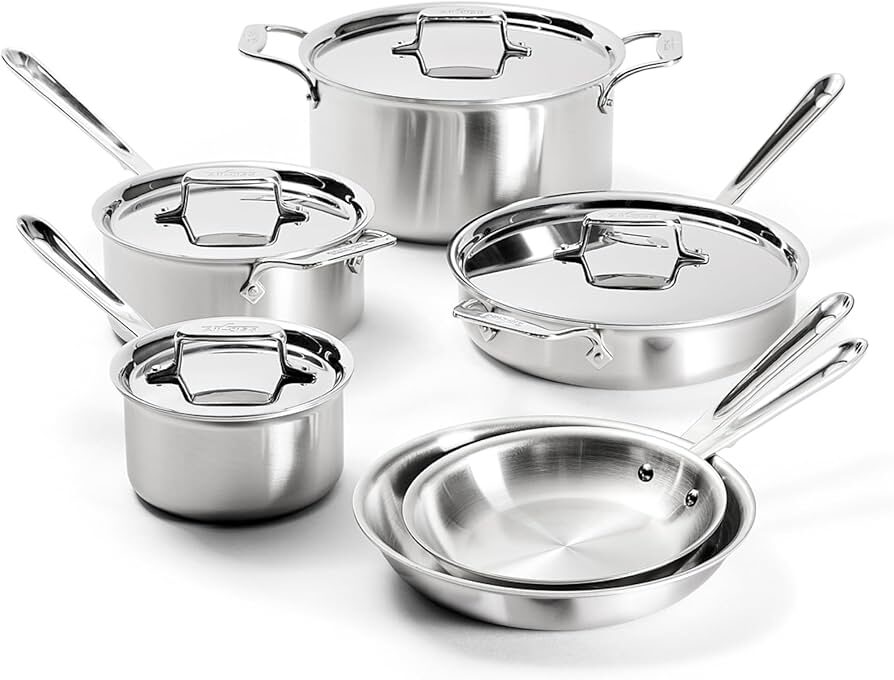
When Professional Quality Makes Sense
Premium induction cookware sets combine advanced materials, precise engineering, and long-term durability. Brands like All-Clad use bonded multi-layer construction to ensure even heating across the entire cooking surface. For serious home cooks, this consistency can dramatically improve results.
While premium sets come with a higher price tag, they often replace the need for frequent upgrades. Over time, the cost per use can actually be lower compared to cheaper alternatives.
Who Should Invest in High-End Sets
Home cooks who use induction stoves daily, experiment with techniques, or cook for larger households may find premium sets worthwhile. If you’re exploring long-term kitchen investments, pairing this guide with Best Large-Capacity Air Fryers for Families can help you build a cohesive, high-performance kitchen.
How to Choose the Right Cookware for Your Induction Stove
Selecting cookware for induction stoves is about balancing material, budget, and cooking style. Stainless steel offers versatility, cast iron delivers unmatched heat retention, and nonstick provides everyday convenience. Understanding how each material behaves on induction helps you make smarter purchasing decisions.
Always look for clear induction compatibility labels, flat bases, and solid construction. When chosen thoughtfully, induction cookware enhances not just efficiency, but the overall joy of cooking.

Hi, I’m Maria from Los Angles. Born and raised in a family of avid home cooks, developed a love for food at a young age. I remember spending weekends in the kitchen with her parents, learning how to make family favorites like lasagna and chocolate chip cookies. After graduating from college, started working as a marketing manager for a tech company, but I found myself spending all of her free time in the kitchen. Then I decided to share my experiences on FindForKitchen blog.