

Artificial intelligence is no longer a futuristic buzzword reserved for tech labs and smartphones. It has quietly entered the kitchen, transforming everyday appliances into adaptive, learning-driven tools that make cooking, cleaning, and food management easier and more reliable. AI-powered kitchen appliances can analyze data from sensors, learn user preferences over time, and adjust their behavior automatically. The result is a kitchen that feels more intuitive, efficient, and forgiving—especially for busy households.
Instead of relying on static presets, modern appliances use AI to respond to real-world conditions. An oven can adjust heat based on moisture levels, a coffee maker can refine flavor based on past brews, and a refrigerator can help reduce food waste by tracking freshness. These changes are subtle but powerful, helping home cooks achieve better outcomes with less trial and error. Importantly, AI does not replace the human element of cooking; it supports it by handling repetitive decisions in the background.
In this comprehensive guide for findforkitchen.com, we’ll explore how AI is changing kitchen appliances across major categories, highlight representative products available on Amazon USA, and explain what these innovations mean for everyday users. You’ll also find internal links to older, related articles on findforkitchen.com to help you connect ideas and build a smarter kitchen step by step.
Table of Contents
AI Kitchen Appliances Comparison Table
Place this table immediately after the introduction to capture attention and support purchase-focused readers.
| Product | Appliance Type | Key AI Feature | Best For | Action |
|---|---|---|---|---|
| COSORI Smart Air Fryer | Air Fryer | Auto-cook programs & adaptive timing | Healthier daily meals | BUY ON AMAZON |
| GE Profile Smart Oven | Countertop Oven | AI-guided cooking & food recognition | Precision baking & roasting | BUY ON AMAZON |
| Keurig K-Supreme Plus SMART | Coffee Maker | Personalized brew profiles | Consistent coffee routines | BUY ON AMAZON |
| Samsung Family Hub Refrigerator | Refrigerator | Food tracking & freshness alerts | Family food management | BUY ON AMAZON |
| LG Smart Dishwasher | Dishwasher | Load sensing & cycle optimization | Energy-efficient cleaning | BUY ON AMAZON |
| Instant Pot Pro Plus Smart | Multicooker | Adaptive pressure & cooking logic | One-pot meals | BUY ON AMAZON |
AI-Powered Cooking Appliances That Learn Your Habits
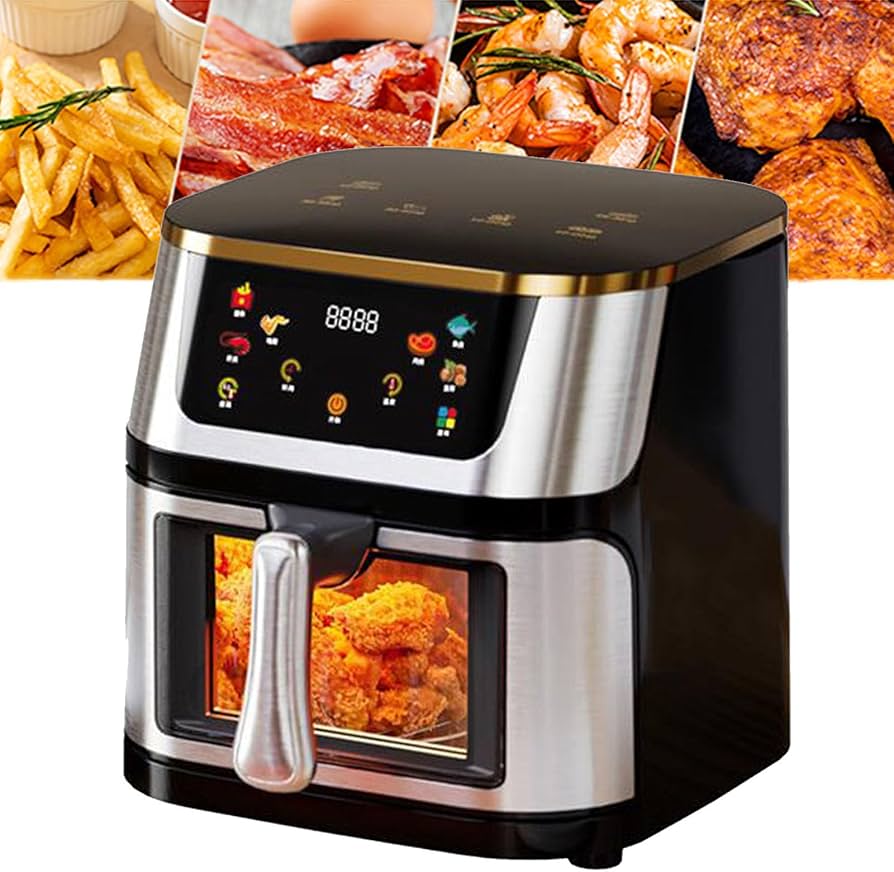
From Presets to Predictive Cooking
Traditional ovens and air fryers rely on fixed presets that assume ideal conditions. AI-powered cooking appliances move beyond that limitation by analyzing what’s actually happening inside the appliance. Sensors monitor temperature fluctuations, humidity, and even the density of the food. AI algorithms then adjust cooking time and heat levels dynamically, reducing the risk of undercooked centers or burnt exteriors.
Over time, these appliances begin to learn user preferences. If you consistently prefer your vegetables slightly crispier or your chicken cooked longer, the system factors those adjustments into future sessions. This learning process makes AI appliances feel more personal with continued use. For families that cook frequently, this can significantly reduce meal prep stress and wasted ingredients.
Why This Matters for Everyday Cooks
AI-driven cooking tools are especially helpful for users who want reliable results without mastering advanced techniques. Beginners gain confidence, while experienced cooks save time on routine meals. If you’re already researching smarter air fryers, you may want to revisit our older article on Best Large-Capacity Air Fryers for Families to see how size and intelligence work together in modern designs.
Smart Coffee Makers and AI-Driven Personalization
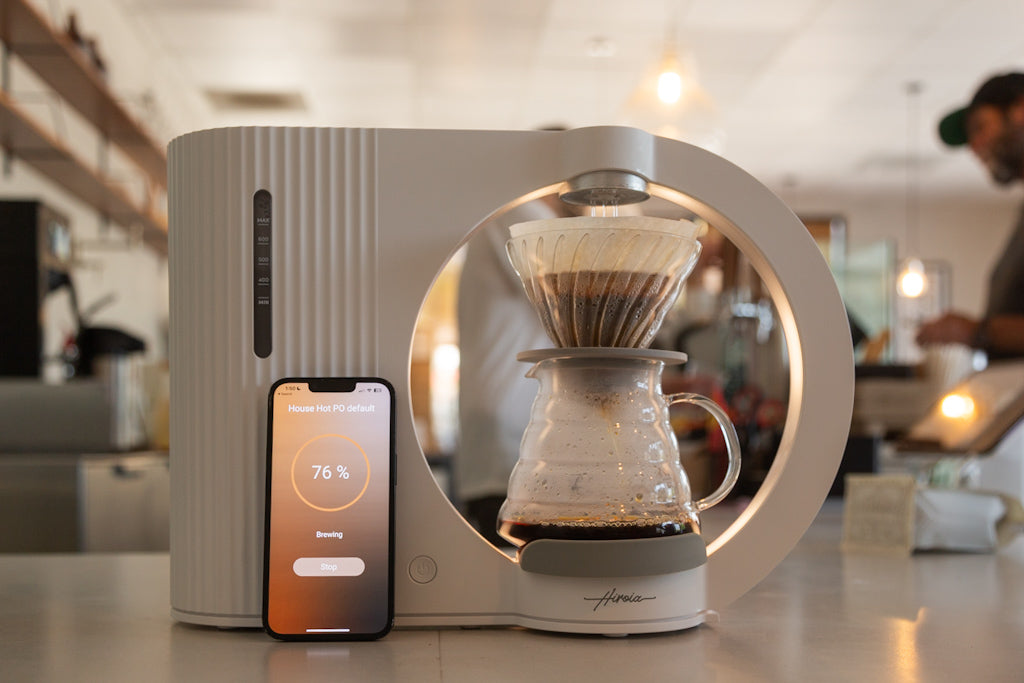
Brewing Coffee Based on Your Preferences
Coffee makers were among the first kitchen appliances to adopt AI-driven personalization. Modern smart coffee machines can remember brew strength, cup size, temperature, and even preferred brewing times. Each use provides data that the machine uses to refine future brews, resulting in more consistent flavor without manual recalibration.
Some models also connect to mobile apps, allowing users to schedule brews or adjust settings remotely. AI monitors usage frequency and suggests cleaning cycles to maintain performance and taste. This proactive approach helps extend the lifespan of the machine while ensuring each cup meets expectations.
Building a Smarter Coffee Station
For coffee lovers, AI-driven machines pair well with manual tools such as grinders and frothers. To explore complementary gear, you can also check out Top Coffee Accessories You’ll Love on Amazon. Combining AI convenience with traditional accessories creates a balanced setup that offers both control and automation.
Smart Refrigerators and AI-Based Food Management

Fighting Food Waste With Intelligence
Smart refrigerators showcase some of the most advanced applications of AI in the kitchen. Internal cameras, weight sensors, and inventory software allow these appliances to track what food is inside and how fresh it is. AI can notify users when items are nearing expiration, helping households plan meals more effectively and reduce waste.
Beyond alerts, AI refrigerators can suggest recipes based on available ingredients and adjust internal cooling zones automatically. Produce drawers may receive higher humidity, while dairy sections maintain more stable temperatures. These micro-adjustments help preserve food quality longer, saving money over time.
Practical Benefits for Families
For busy families, smart refrigerators act as silent organizers. Grocery shopping becomes more intentional, and forgotten leftovers are less likely to spoil. Readers interested in better storage habits can also explore our older guide on Kitchen Storage and Organization Ideas, which complements AI-driven food management with practical layout tips.
AI Dishwashers and Intelligent Cleaning Cycles

Smarter Use of Water and Energy
AI-powered dishwashers improve efficiency by analyzing load size, soil level, and water temperature before selecting a cycle. Instead of defaulting to a standard wash, the machine adapts in real time, using only the resources required. This results in cleaner dishes while reducing water and electricity usage.
With repeated use, AI systems learn which cycles a household prefers and optimize recommendations accordingly. Some models also provide maintenance alerts, ensuring filters and spray arms are cleaned before performance drops. This reduces wear and tear and extends the appliance’s lifespan.
Long-Term Care Advantages
A smarter dishwasher means fewer re-washes and lower utility bills. To maximize longevity, readers can also reference our older article on Kitchen Appliance Maintenance Checklist, which pairs well with AI’s proactive maintenance features.
Smart Multicookers and One-Pot AI Cooking
Adaptive Logic for Consistent Results
Smart multicookers use AI to manage pressure, temperature, and timing based on what’s being cooked. Unlike traditional pressure cookers that rely on fixed programs, AI-driven models adjust dynamically as food cooks. This reduces overcooking and improves texture, particularly for grains, beans, and stews.
The appliance learns how full the pot typically is and adapts pressure levels accordingly. This makes one-pot cooking more forgiving, even when measurements aren’t exact. For busy households, this reliability is a major advantage.
Why Multicookers Are AI-Friendly
Multicookers benefit greatly from AI because they handle complex variables behind the scenes. For readers interested in efficient meal prep, this category often serves as an entry point into AI-enhanced kitchens, offering noticeable benefits without requiring a full kitchen upgrade.
Connected Kitchens and AI Ecosystems

When Appliances Work Together
The future of AI in the kitchen lies in connected ecosystems. In these setups, appliances communicate through shared apps or platforms. Selecting a recipe on a smart oven might trigger the refrigerator to highlight required ingredients, while a dishwasher schedules itself for off-peak energy hours. AI coordinates these interactions to reduce friction.
Voice assistants and mobile notifications further enhance this experience. Users can monitor energy use, receive alerts, and control appliances remotely. While fully integrated kitchens were once limited to luxury homes, many Amazon-available appliances now support partial integration, making this trend accessible to everyday users.
A Gradual Path to Smarter Kitchens
You don’t need to replace everything at once. Starting with one AI-enhanced appliance allows users to experience benefits immediately. Over time, adding compatible devices creates a more cohesive system without overwhelming budgets or workflows.
Are AI Kitchen Appliances Worth the Investment?
AI kitchen appliances offer practical, measurable improvements in cooking consistency, efficiency, and food management. While they often cost more upfront, the long-term savings from reduced waste, lower energy use, and improved durability can outweigh the initial investment. More importantly, they reduce daily stress by handling small decisions automatically.
For readers of findforkitchen.com, the key is choosing appliances that align with everyday habits. A smart air fryer, AI coffee maker, or intelligent dishwasher can deliver immediate value. As AI technology becomes more common, these features will increasingly become standard rather than premium—making now a smart time to understand and adopt them.

Hi, I’m Maria from Los Angles. Born and raised in a family of avid home cooks, developed a love for food at a young age. I remember spending weekends in the kitchen with her parents, learning how to make family favorites like lasagna and chocolate chip cookies. After graduating from college, started working as a marketing manager for a tech company, but I found myself spending all of her free time in the kitchen. Then I decided to share my experiences on FindForKitchen blog.