

Smart appliances have become the centerpiece of next-generation households. What once felt like futuristic concepts—voice-controlled ovens, fridges that scan their own contents, cooktops with automatic heat adjustment—are now mainstream. Consumers want appliances that not only perform a task, but also optimize it. This shift is driven by busier lifestyles, rising energy costs and the growing desire for seamless digital integration. As a result, manufacturers are developing appliances that think, learn and adapt to how people cook.
| Product Name | Category | Key Innovation |
|---|---|---|
| Breville Smart Oven Air Fryer Pro | Smart Oven | AI-assisted sensor cooking |
| COSORI Smart Wi-Fi Air Fryer | Air Fryer | App control, voice assistant integration |
| Anova Precision Cooker Nano | Sous-Vide Device | Precision temperature control, AI adjustments |
| Instant Pot Duo Crisp | Multi-Cooker | Energy-efficient, sustainable cooking |
| GE Profile Smart Mixer | Smart Mixer | Sensor-based mixing automation |
| Yale Smart Cabinet Lock | Smart Security | Child-safe storage system |
Many new smart kitchen devices use advanced sensors to monitor cooking progress more accurately than any human could. A smart oven, for example, can detect the internal temperature of your dish, adjust heat output instantly and prevent accidental burning. Some appliances use interior cameras so users can check food remotely from their phones, while others integrate with voice assistants like Alexa or Google Home to start preheating or turn off burners automatically. This level of automation reduces user errors and gives home cooks the confidence of achieving consistent results every time.
Breville Smart Oven Air Fryer Pro
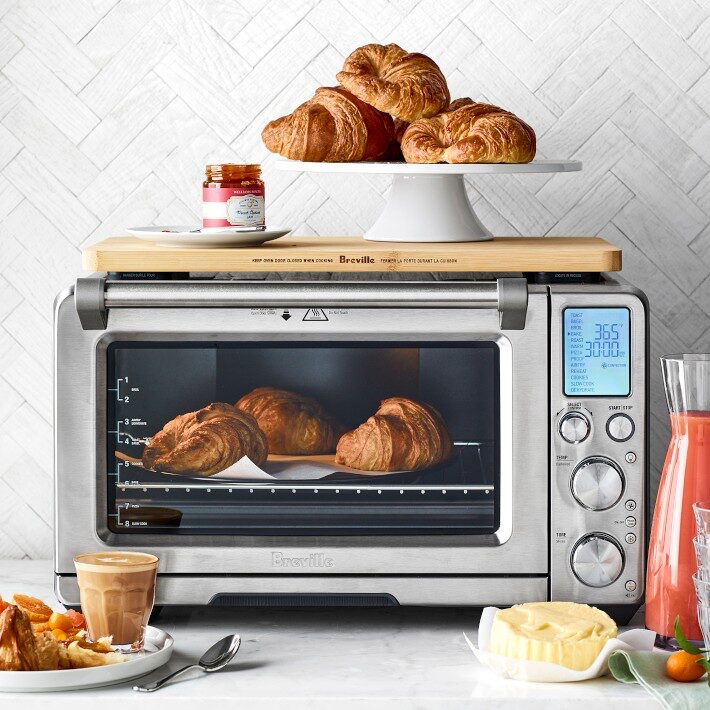
- The Breville Smart Oven Air Fryer Pro represents a major kitchen tech innovation because it uses Element IQ smart-sensor heating, which automatically adjusts power and temperature for perfectly even cooking—something traditional ovens cannot do.
- It also combines multiple appliances in one (air fryer, dehydrator, roaster, slow cooker, convection oven), making it a multifunctional, energy-efficient solution for modern kitchens.
Table of Contents
The Rise of AI-Powered Cooking Assistance
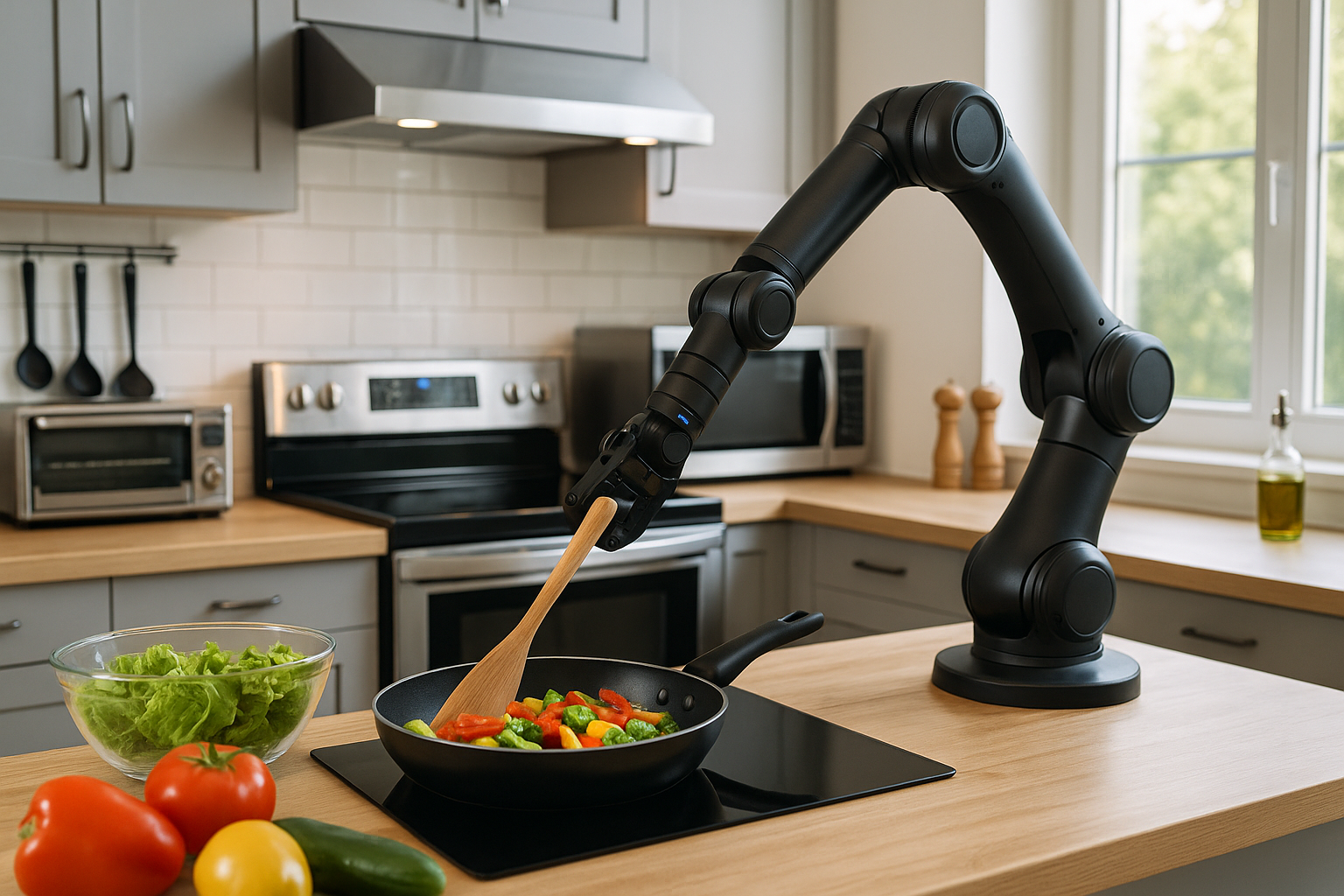
Artificial intelligence is transforming home cooking from guesswork into precision. AI-powered cooking assistants—whether in the form of apps, built-in appliance systems or countertop devices—analyze ingredients, track cooking times and help users follow recipes step-by-step. These systems use machine learning to improve over time, learning a user’s preferred cooking style, flavor preferences and even dietary restrictions. What makes AI-driven cooking tools especially appealing is their ability to prevent mistakes before they happen. If the heat is too high, if food needs flipping or if the timer should change, the system alerts the user instantly.
One of the most valuable aspects of AI cooking assistants is their adaptability. Unlike traditional kitchen appliances that follow static programs, AI systems make decisions in real time. For example, an AI sous-vide machine can detect food thickness and adjust cook times instantly. Smart mixers can sense when dough reaches optimal consistency. Recipe apps can generate personalized meal plans based on nutritional needs and what the user already has in the fridge. These improvements remove stress from daily cooking and help even beginners prepare meals at a professional standard.
Anova Precision Cooker Nano
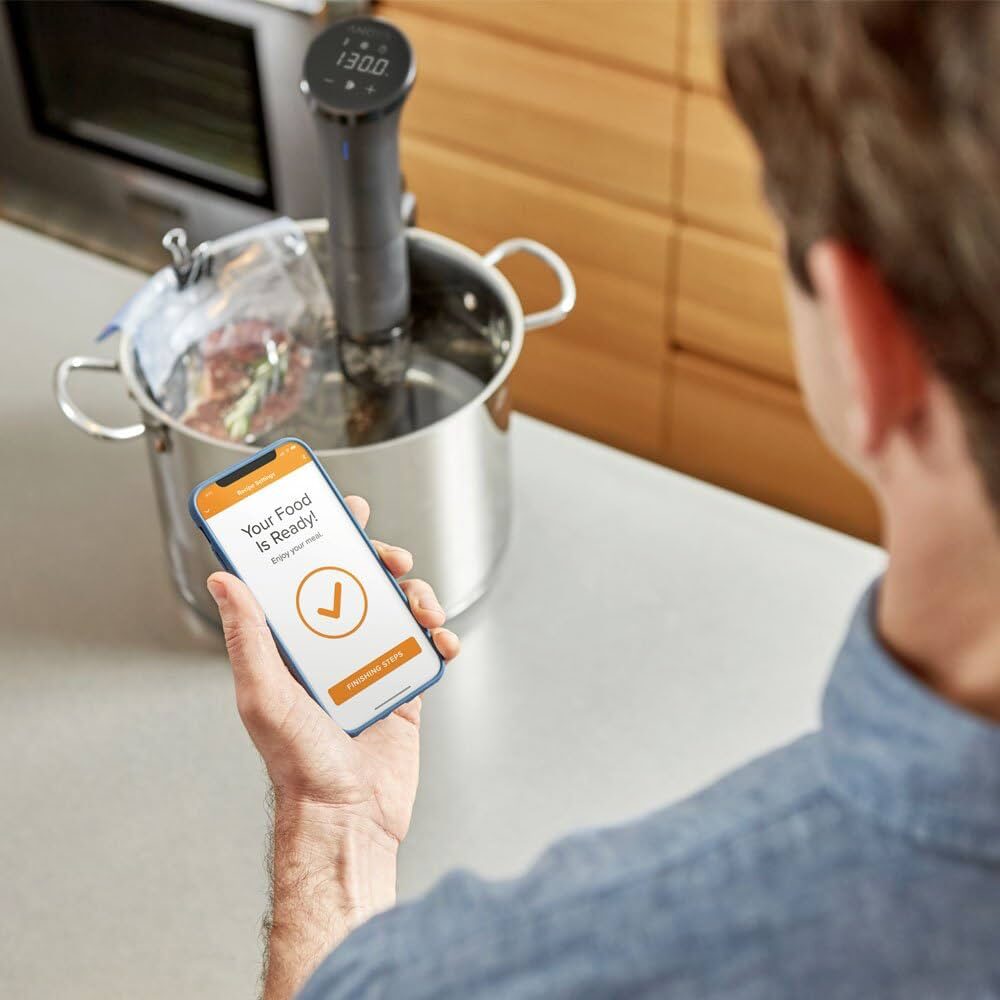
- The Anova Precision Cooker Nano represents a major kitchen tech innovation because it brings laboratory-level temperature accuracy into everyday home cooking.
- Its Bluetooth-enabled, app-controlled sous-vide system allows users to cook food with unmatched precision, ensuring perfect doneness every time without guesswork.
- By automating temperature control and offering step-by-step digital guidance, it transforms traditionally complex cooking techniques into simple, reliable, and foolproof results for any home cook.
Sustainable and Eco-Friendly Kitchen Tech
Sustainability has become a major driver of innovation in kitchen technology. As global awareness of environmental impact grows, manufacturers are investing in solutions that reduce waste, energy consumption and the overall ecological footprint of household appliances. Consumers are looking for devices that last longer, use fewer resources and support mindful living without sacrificing performance. This shift has triggered a wave of eco-friendly advancements—from energy-efficient multicookers to compost-supporting appliances and long-life materials that reduce the need for frequent replacements.
Energy-efficient appliances are now built to meet stricter sustainability standards. Many dishwashers use smart water management, consuming significantly less water per cycle. Some induction cooktops optimize energy transfer, heating pans faster while losing minimal heat to the air. Recycled materials are also becoming more common in kitchen tools, helping cut down on the environmental impact of manufacturing. Beyond appliances, brands are introducing biodegradable utensils and zero-waste storage systems designed to preserve fresh food longer and reduce household food waste. These innovations show that sustainability and modern convenience can coexist in future-focused kitchen design.
Instant Pot Duo Crisp
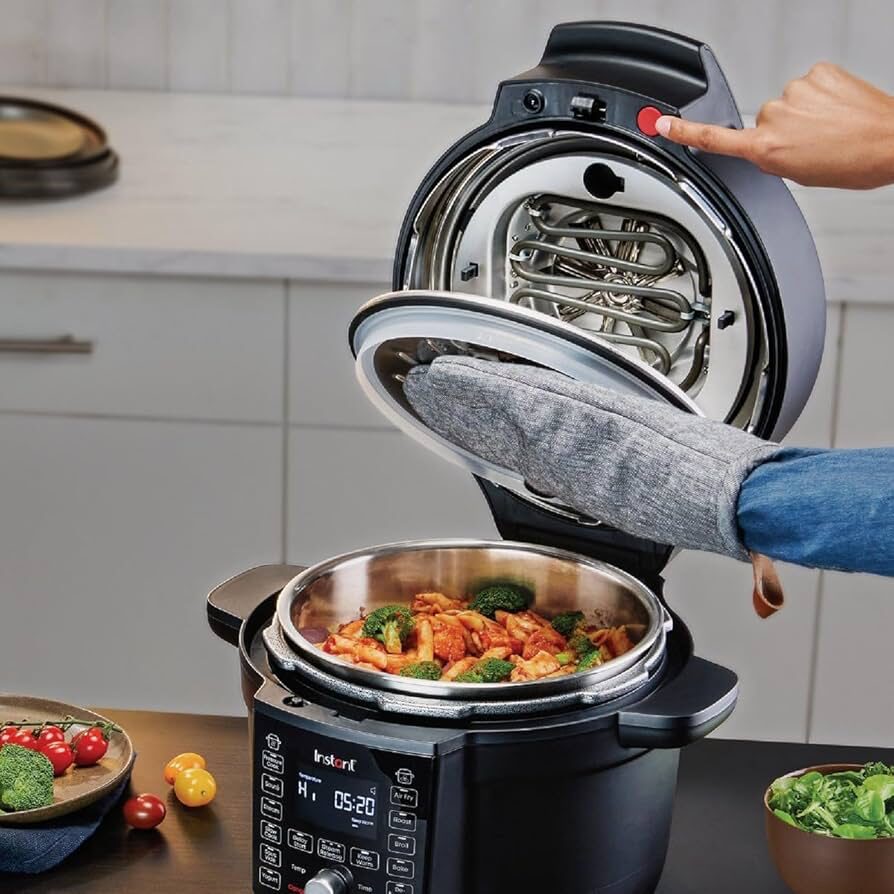
- The Instant Pot Duo Crisp is a standout kitchen tech innovation because it combines multiple cooking functions—pressure cooking, air frying, sautéing, steaming and more—into a single smart device.
- Its energy-efficient design, precise digital controls and rapid-cooking technology allow home cooks to prepare meals faster and with greater consistency, replacing several traditional appliances while saving both time and kitchen space.
Connected Kitchen Ecosystems and App-Controlled Devices
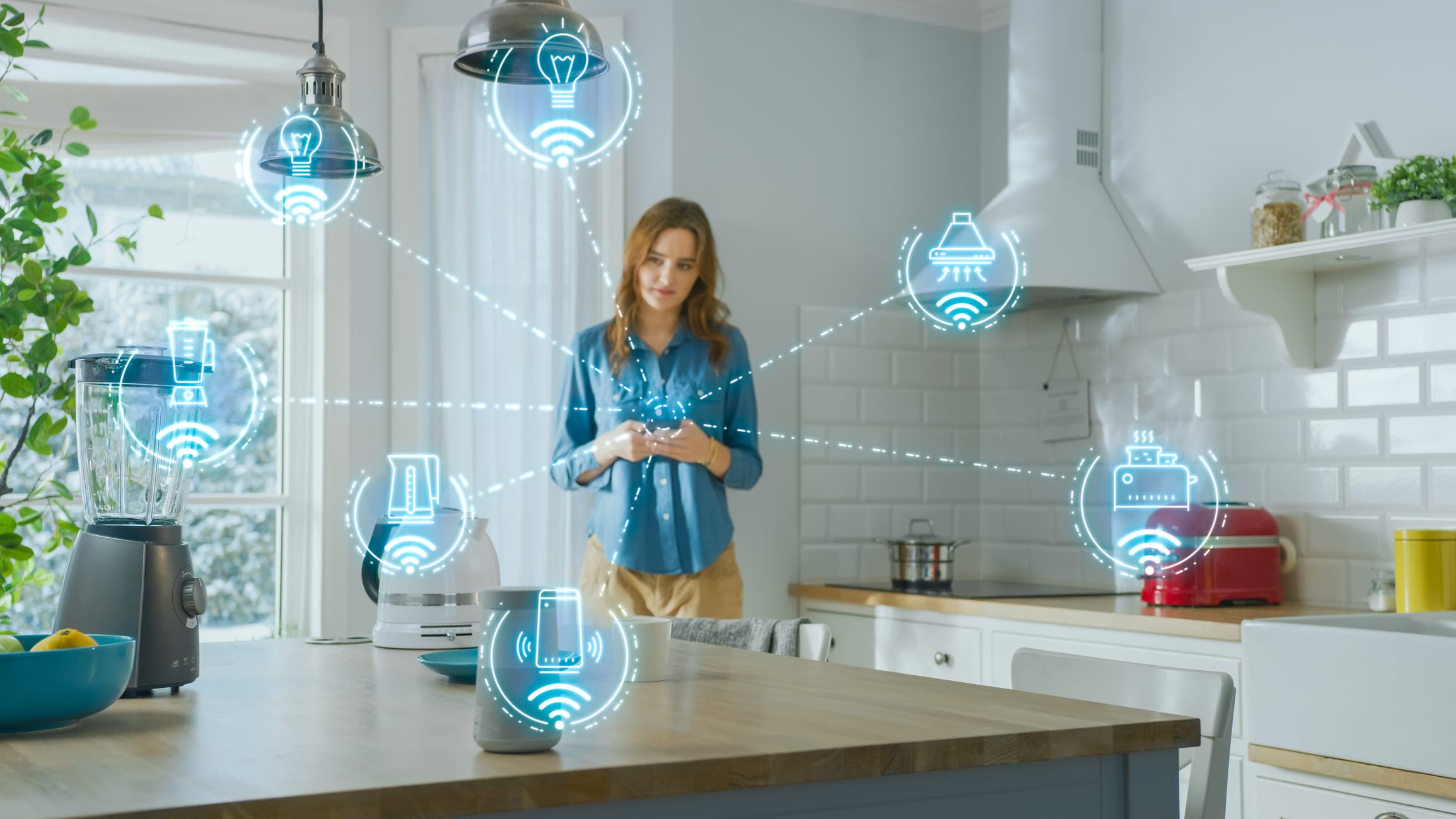
The modern kitchen is becoming part of the home’s larger smart ecosystem, where devices communicate with each other to create a unified, intelligent environment. A connected kitchen ecosystem allows appliances to synchronize automatically—for example, an oven can send a notification to the range hood to increase fan speed as soon as cooking begins. Smart refrigerators can sync with grocery delivery apps to update shopping lists automatically. App-controlled appliances add even more convenience, offering full control from anywhere in the house—or even outside it.
Remote monitoring is one of the biggest advantages of connected kitchen ecosystems. A homeowner can start the air fryer while driving home, adjust the slow cooker’s temperature from the office or receive alerts if the fridge door has been left open. These features reduce energy waste, increase safety and improve overall daily efficiency. Smart ecosystems also simplify appliance maintenance by notifying users when filters need replacing or when parts require cleaning. This minimizes unexpected breakdowns and extends product life, ultimately saving money. As connectivity strengthens, the kitchen is quickly becoming one of the most automated spaces in the modern home.
COSORI Smart Wi-Fi Air Fryer
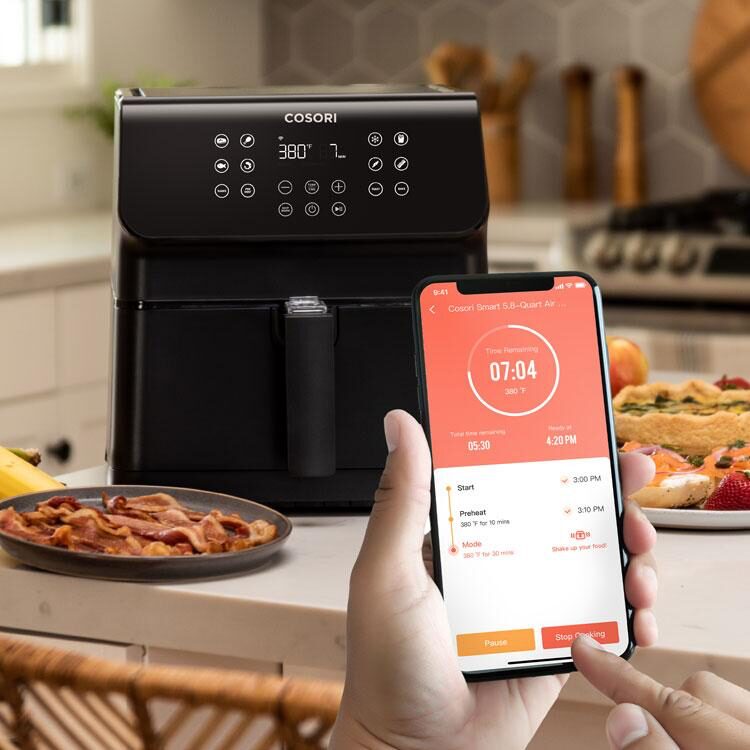
- The COSORI Smart Wi-Fi Air Fryer represents a true kitchen tech innovation because it brings app-controlled, remote cooking to an appliance that was once completely manual.
- Its integration with Wi-Fi, smartphone control and voice assistants like Alexa allows users to start, stop, adjust temperature and monitor cooking from anywhere, making meal prep far more flexible and efficient.
- This level of smart connectivity transforms a traditional air fryer into an intelligent, automated kitchen tool designed for modern lifestyles.
The Future of Hands-Free Cooking: Automation & Robotics
Hands-free cooking is one of the fastest-growing areas of kitchen technology. Robotic innovations are now capable of performing tasks typically requiring manual effort, such as stirring, flipping, chopping and mixing. Automated cooking arms—once seen only in high-tech restaurants—are starting to enter the home appliance market. These systems promise to manage entire recipes with minimal human input, making cooking easier for busy households or individuals who prefer set-and-forget functionality.
Automated tools such as smart mixers, robotic cutting devices and fully integrated cooking stations reduce error and eliminate repetitive labor. A robotic cooking system can replicate the exact steps of a recipe with precision, ensuring the same taste and texture every time. Some devices can even clean themselves afterward, further simplifying kitchen workflows. As machine learning evolves, robots will be able to adapt to new recipes, understand cooking patterns and customize dishes based on flavor preferences. Hands-free cooking is expected to become a significant part of future home kitchens, merging convenience, consistency and creativity in meal preparation.
GE Profile Smart Mixer
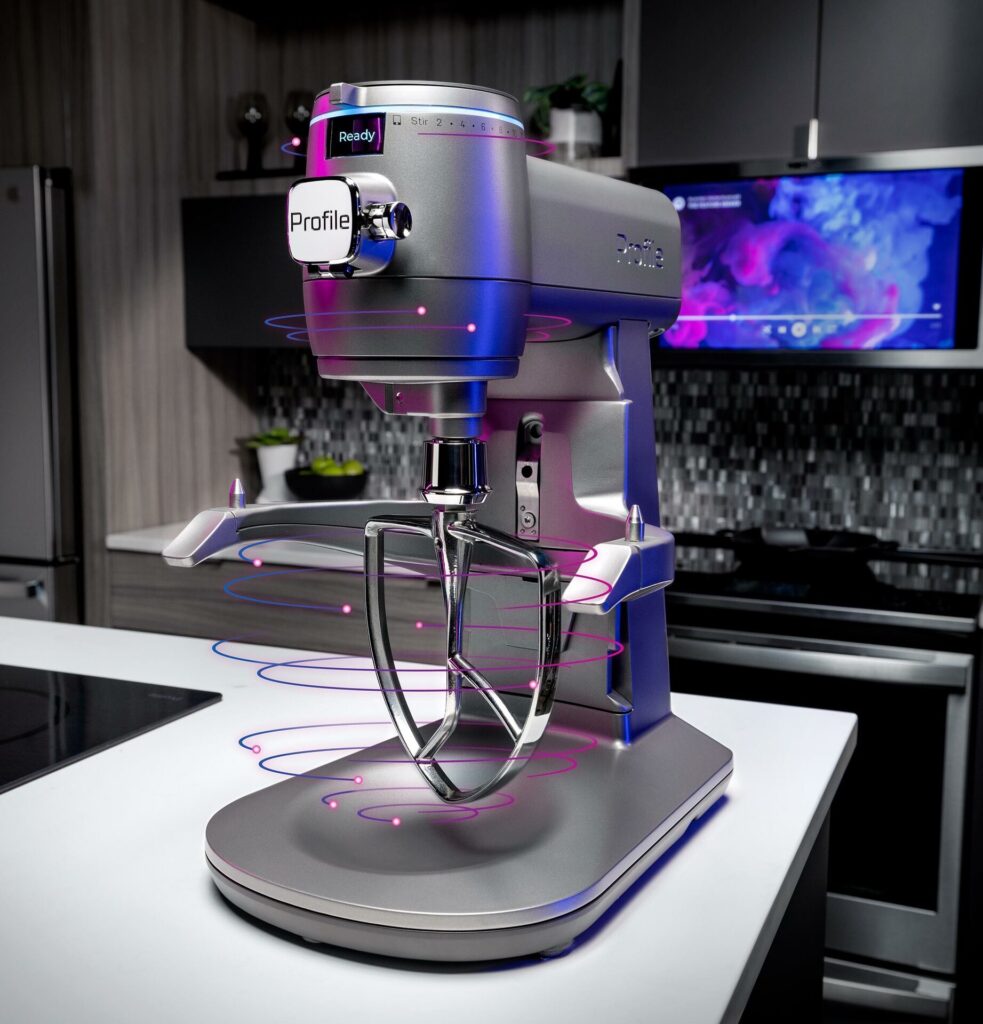
- The GE Profile Smart Mixer is a standout innovation because it uses torque-sensing technology to understand exactly what’s happening in the bowl.
- As ingredients thicken or lighten, the mixer automatically adjusts its speed and power, creating flawless textures without user intervention.
- This transforms a traditionally manual process into a smart, automated experience that feels tailor-made for modern kitchens.

Hi, I’m Maria from Los Angles. Born and raised in a family of avid home cooks, developed a love for food at a young age. I remember spending weekends in the kitchen with her parents, learning how to make family favorites like lasagna and chocolate chip cookies. After graduating from college, started working as a marketing manager for a tech company, but I found myself spending all of her free time in the kitchen. Then I decided to share my experiences on FindForKitchen blog.